it / en
it / en

100 years of brooches

The history of a jewel between function, language, and identity
Among all jewels, the brooch occupies a singular position. It is not bound to a specific part of the body, it imposes no predefined , and it does not enforce a fixed formal hierarchy. It may be central or marginal, functional or purely symbolic. Precisely because of this mobile and versatile nature, the brooch has traversed time by adapting to changes in taste, dress, and society with remarkable flexibility.
 
Tracing its evolution from the late nineteenth century to the present day offers, on a reduced scale, a reading of the history of modern jewellery itself.
Platinum pendant - brooch with diamonds
Italy, early 1900s
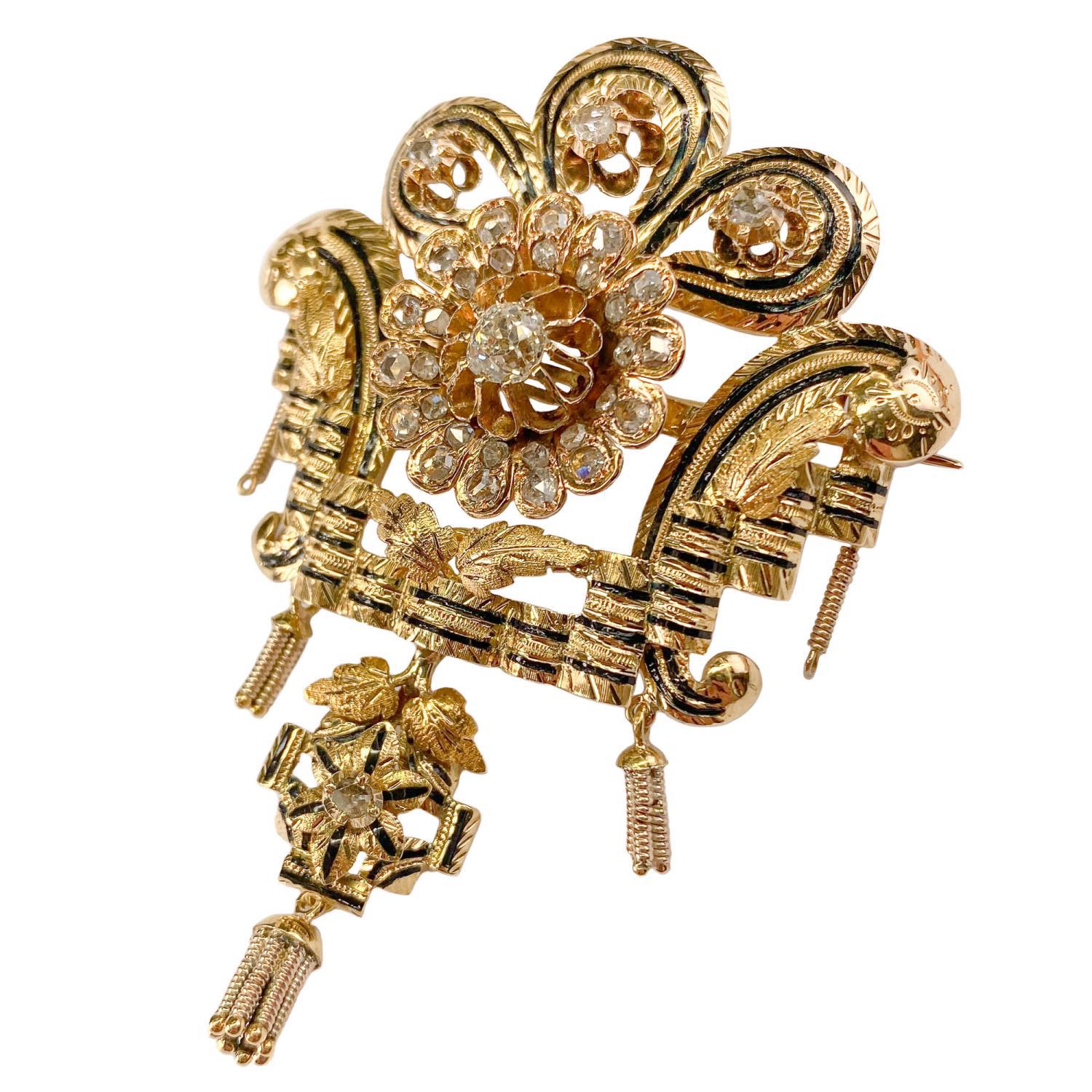
At the end of the 19th century, the brooch was a strongly socially defined object. Set within a world still governed by structured, ceremonial dress, it fulfilled a precise practical role, fastening garments and accessories, while simultaneously performing a representational function. Mountings were complex, often executed in high‑karat gold and enriched with central gemstones or elaborate compositions.
 
The brooch was perceived as a sign of decorum and stability, frequently linked to family transmission and to the act of gifting. Its presence was visible and declarative, fully integrated into a value system in which jewellery spoke openly of status.
Brooch with diamonds and enamels
Italy, 19th cent.
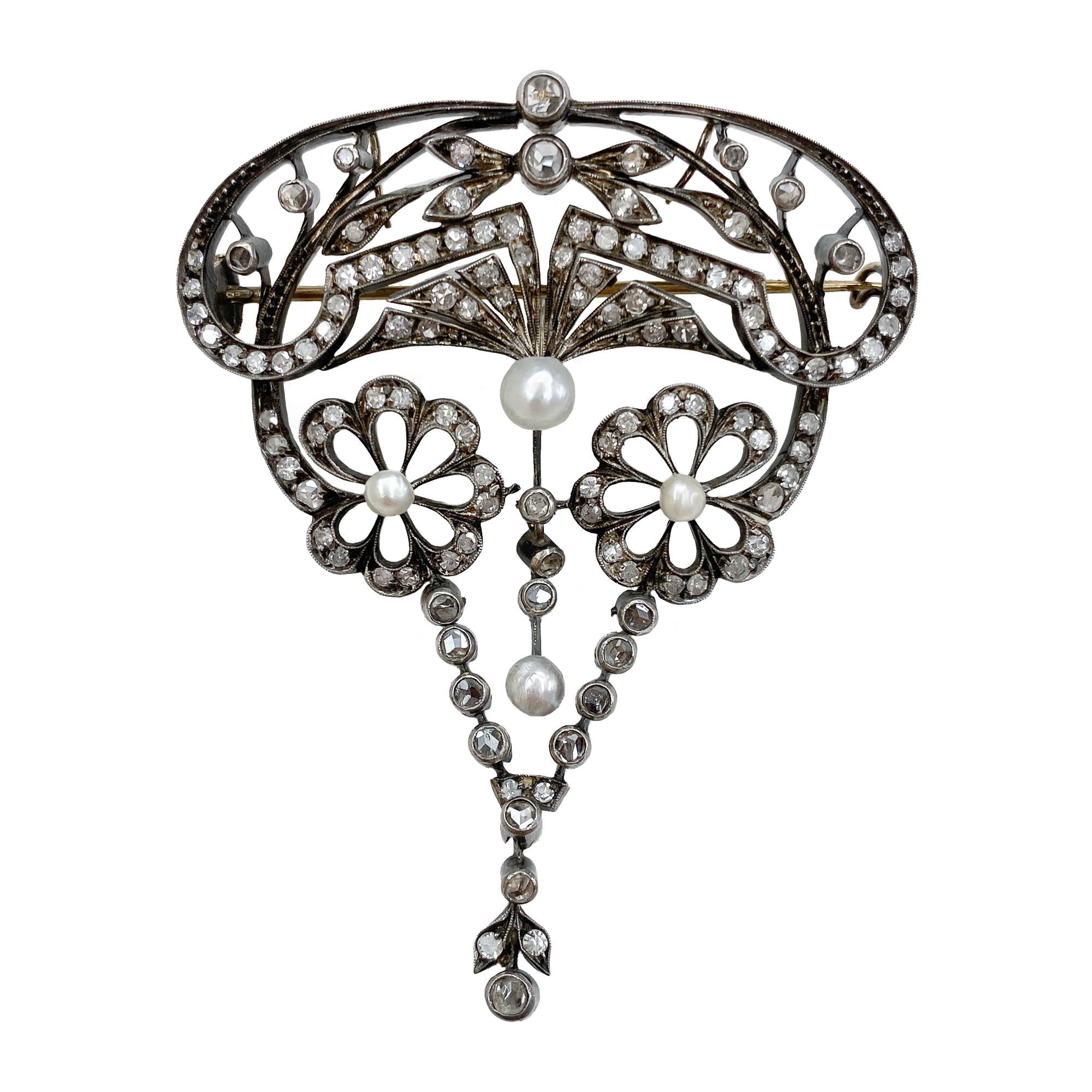
Pendant - brooch with diamonds and pearls
Italy, early 1900s
With the beginning of the twentieth century and the gradual lightening of women’s dresses, the brooch began to modify its visual language. Forms became simpler, dimensions more restrained, and lines increasingly fluid. While retaining its fastening function, the object came to embody a new notion of bourgeois elegance, less rigid and more personal.
 
The brooch was no longer necessarily the focal point of adornment, but entered into dialogue with fabric and body movement, adapting to an everyday life that remained formal yet less constrained.
During the years of the First World War, the brooch reflected the sobriety imposed by historical circumstances.
 
Precious materials became less accessible and workmanship was reduced to the essential. Function once again prevailed over decoration, and the object grew more discreet. In this period the brooch lost much of its traditional symbolic charge and was perceived primarily as a practical element, suited to an essential, functional wardrobe and to a society called upon to endure and rationalize.
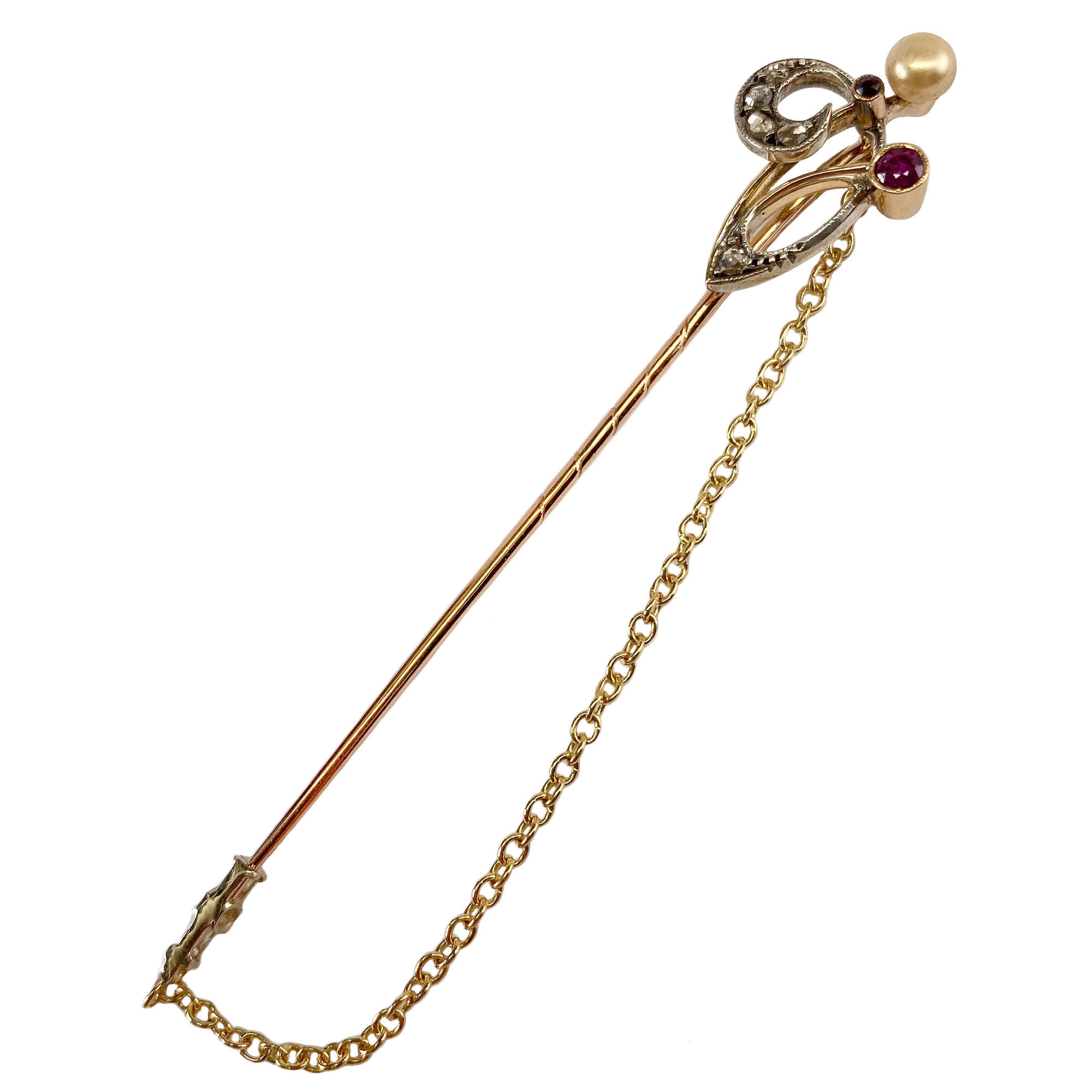
Pin with pearl, rubies and diamonds
Italy, 1910s
Platinum brooch with diamonds
Italy, 1920s
The 1920s marked a profound turning point, and the brooch emerged as one of the privileged jewels of modernity. Forms became geometrised, compositions stylised, and ornament freed from any residual narrative intent. The brooch was no longer merely a complement to dress, but a graphic sign, at times daring, capable of being moved, reinvented, and worn in unconventional positions.
 
The perception of the object changed radically, shifting from a symbol of stability to an expression of autonomy and dynamism.
In the 1930s, alongside a more general return to formal balance, the brooch moved toward increasingly controlled and rational solutions.
 
Geometry became structure, and design prevailed over effect. Surfaces grew more compact and compositions more measured. In this context, the brooch assumed an almost architectural character, reflecting an educated taste and a renewed attention to proportion. It was a jewel that communicated discipline and coherence rather than seduction.
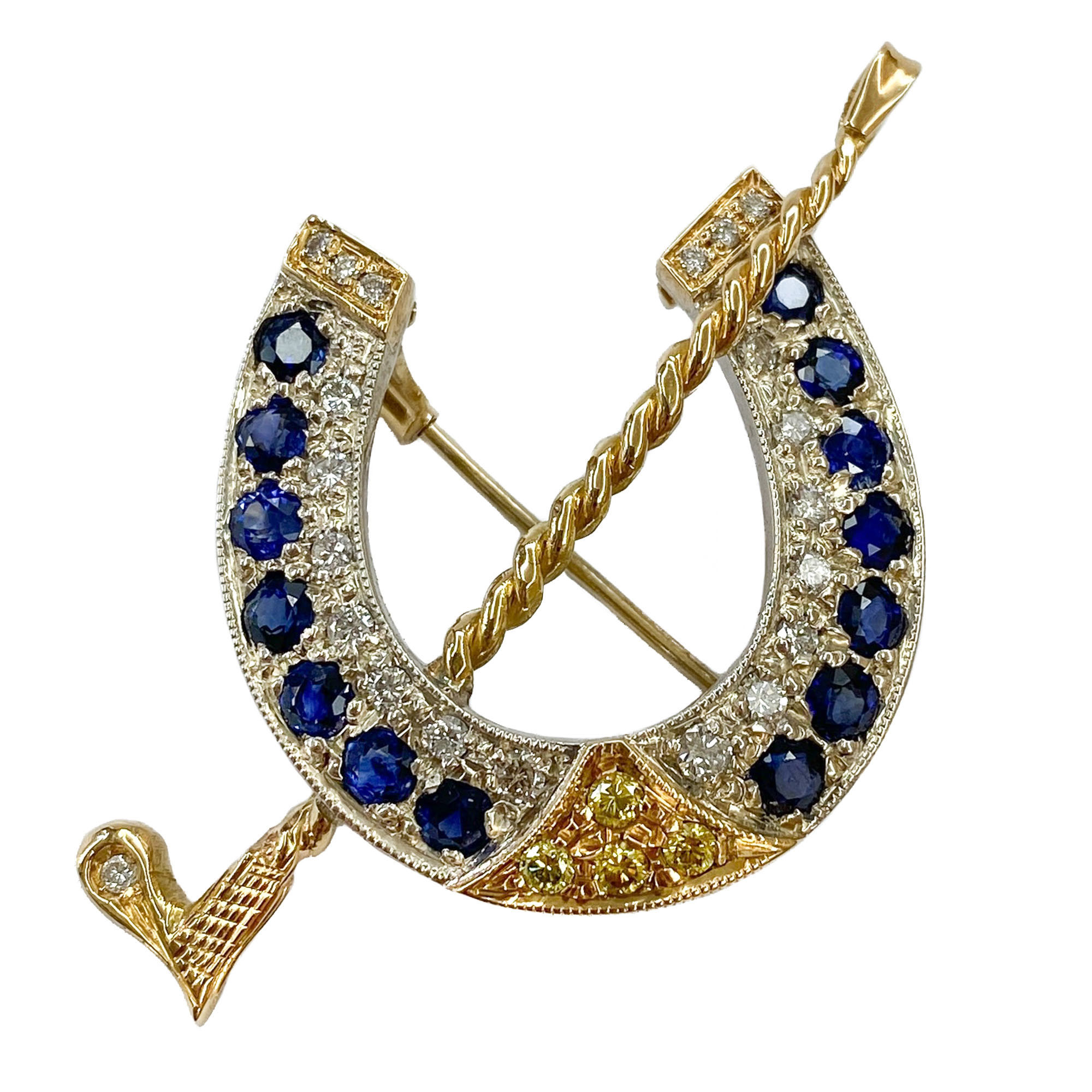
Brooch with diamonds and sapphires
Italy, 1930s
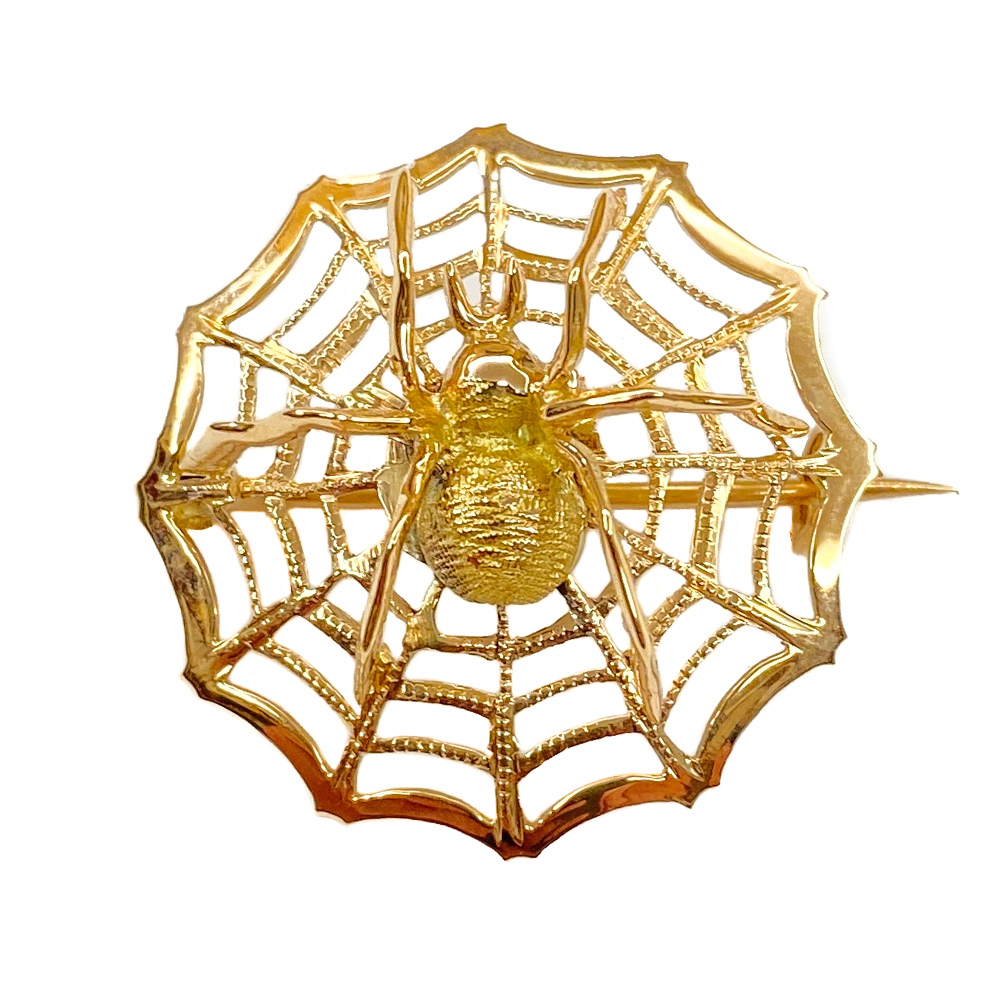
Gold brooch
Italy,1940s
The 1940s and the post‑war period represent one of the most significant moments in the history of the brooch. It often became the item of the greatest experimentation within jewellerymaking, assuming a distinctly sculptural dimension. Volumes were compact, surfaces allowed the process of fabrication to remain visible, and clasps were designed to ensure solidity and durability. The object was no longer perceived as a sign of ostentation, but as an element of identity, capable of accompanying everyday use.
 
In this period, marked by a predominantly artisanal and often anonymous production, the brooch established itself as a micro‑structure, a synthesis of design and necessity.
With the 1950s, aided by economic reconstruction and a renewed climate of optimism, the brooch recovered a more overtly decorative dimension. Forms remained controlled, yet ornament once again entered into dialogue with an elegant and self‑aware femininity.
 
The jewel integrated naturally into the daily wardrobe, maintaining its practical function while regaining attentiveness to light and composition.
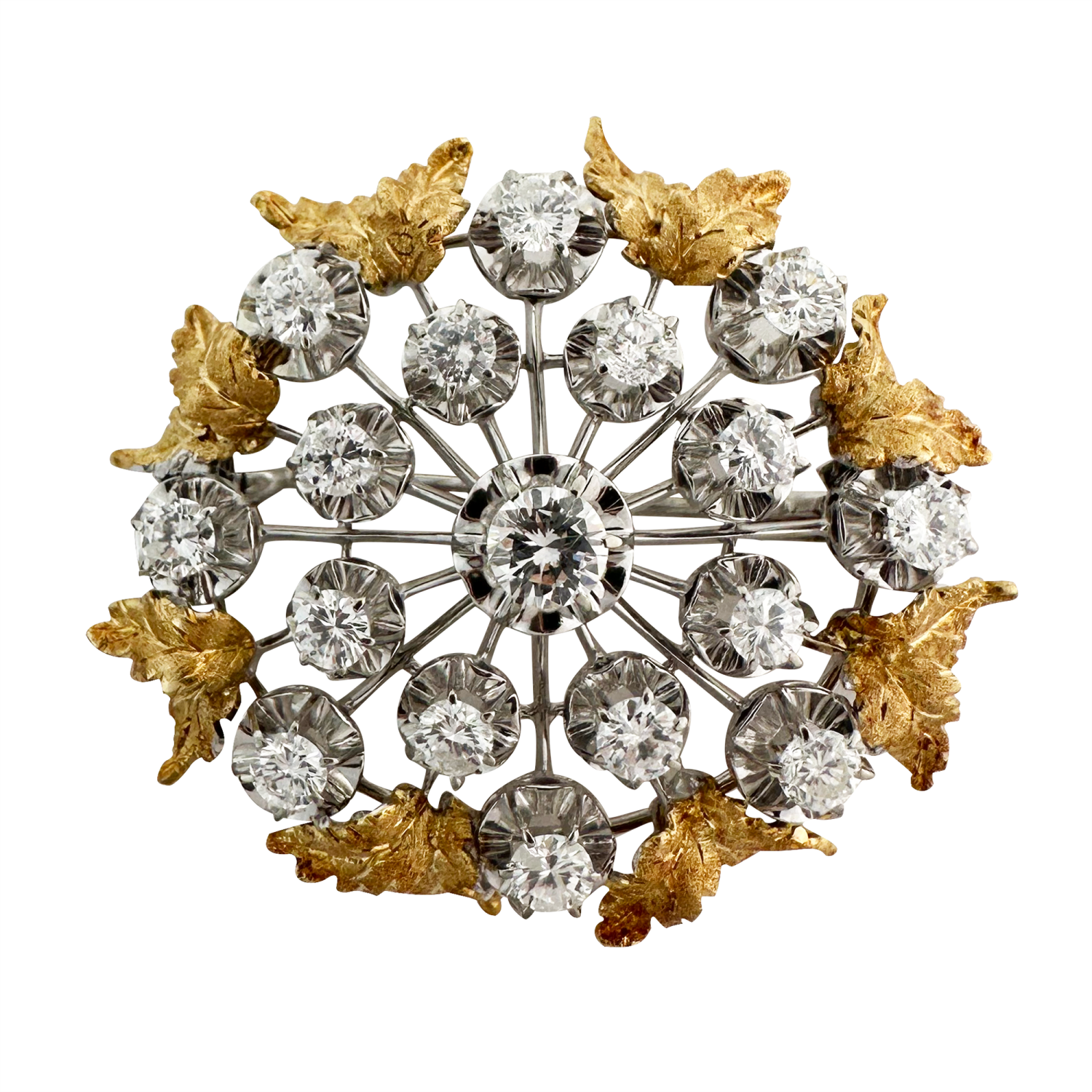
Brooch with diamonds
Italy, 1950s
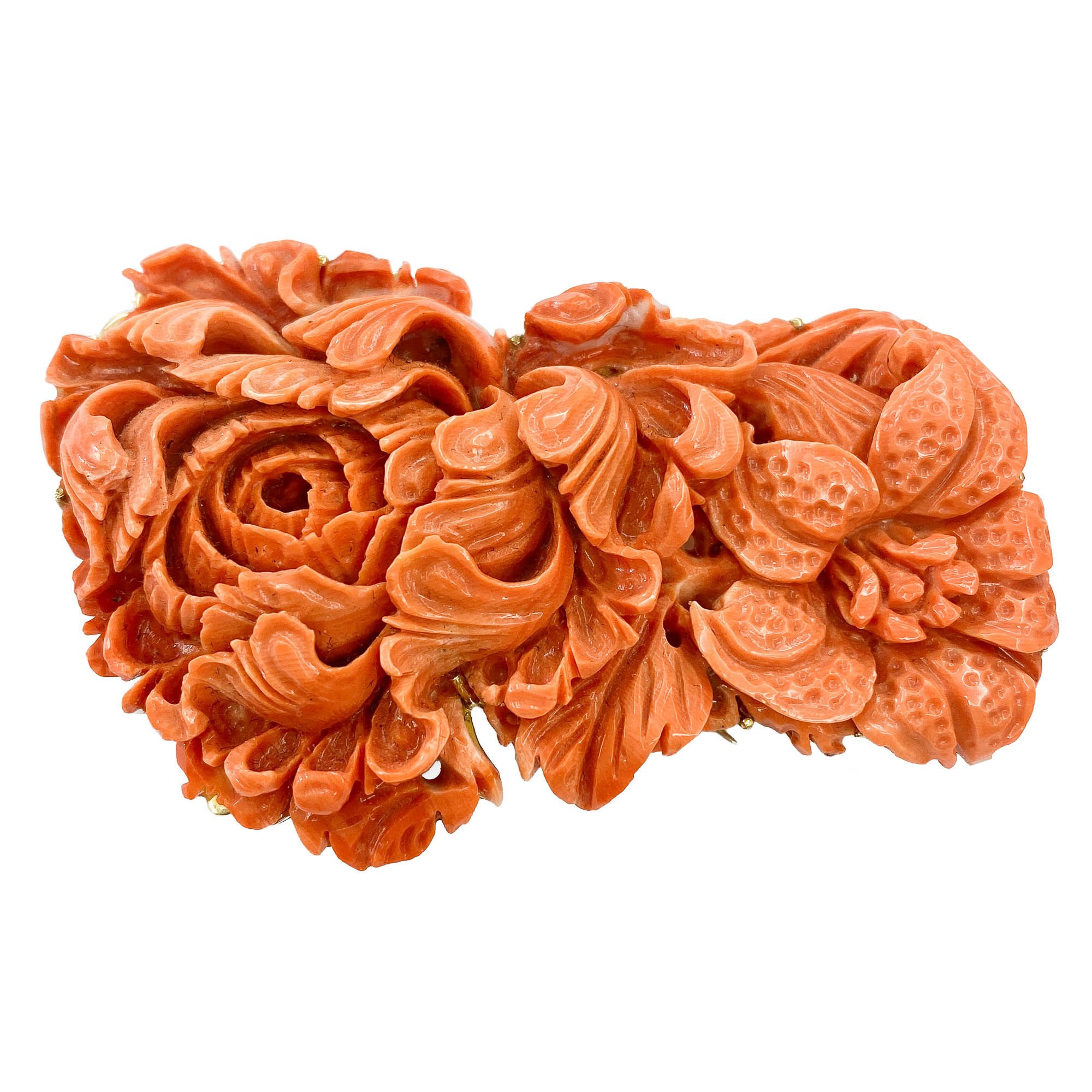
Coral pendant - brooch
Italy, 1970s
The following decades, during the 1960s and 1970s, saw the brooch progressively distance itself from traditional codes. Materials became more varied, forms more conceptual and at times provocative. The object could relinquish its original function to become statement, symbol, or gesture.
 
During this period, the brooch oscillated between jewel, fashion accessory, and object of applied art, reflecting a rapidly changing society and an expanding expressive freedom.
In the 1980s and 1990s, the brooch experienced a more complex phase. On the one hand, it was reinterpreted by design and fashion as an iconic element; on the other, it underwent a reduction in everyday use. It was no longer indispensable, but became an intentional choice, a distinguishing sign of style or cultural affiliation.
 
The perception of the object definitively shifted from obligation to option.
Brooch with diamonds and sapphires
Italy, 1980s
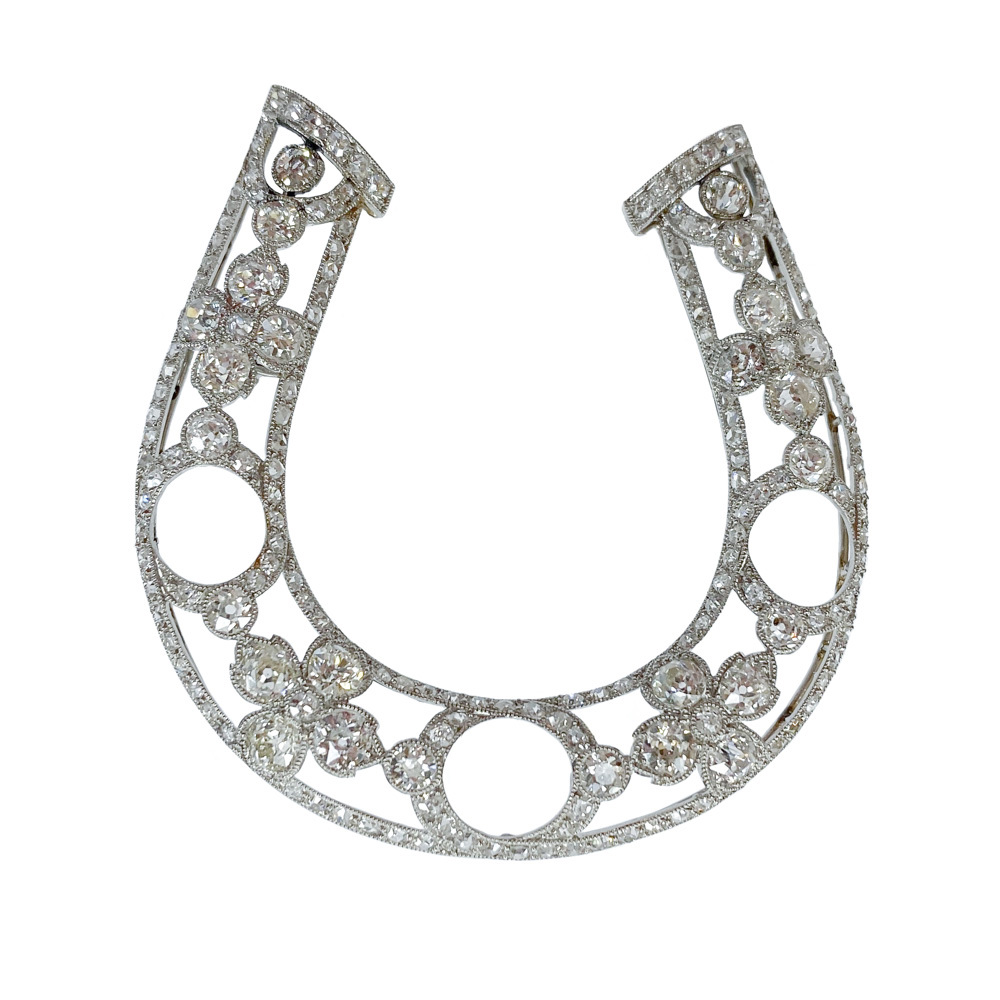
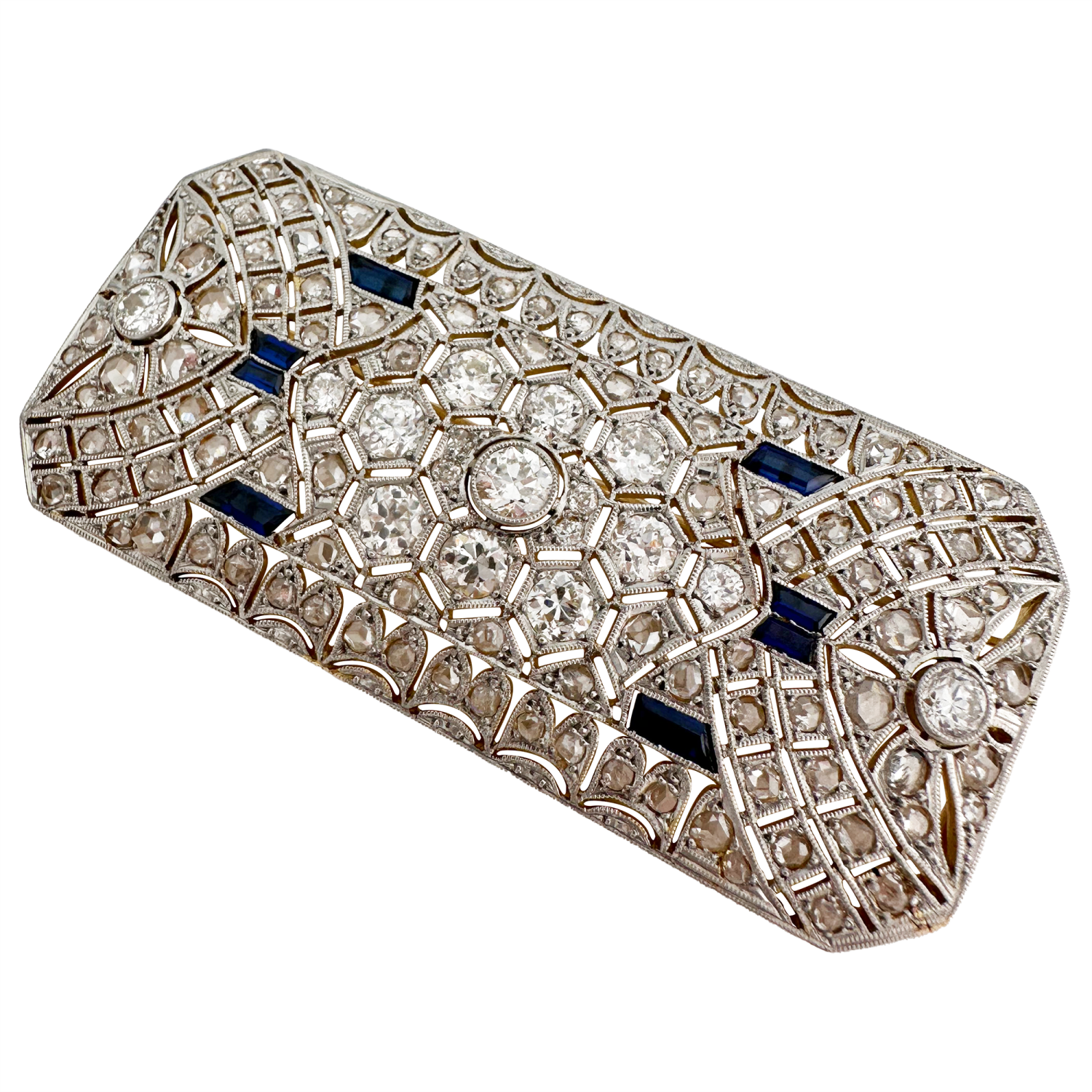
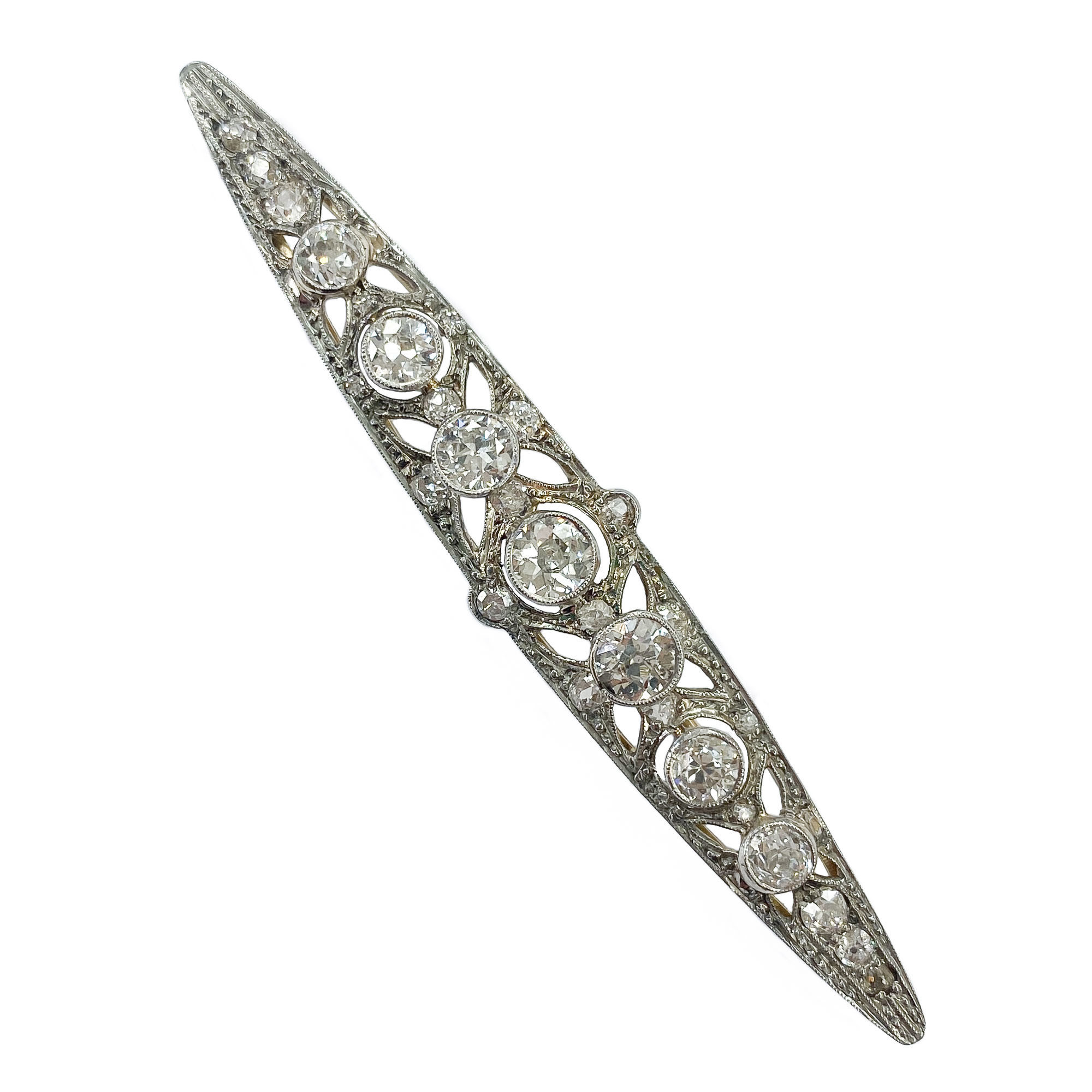
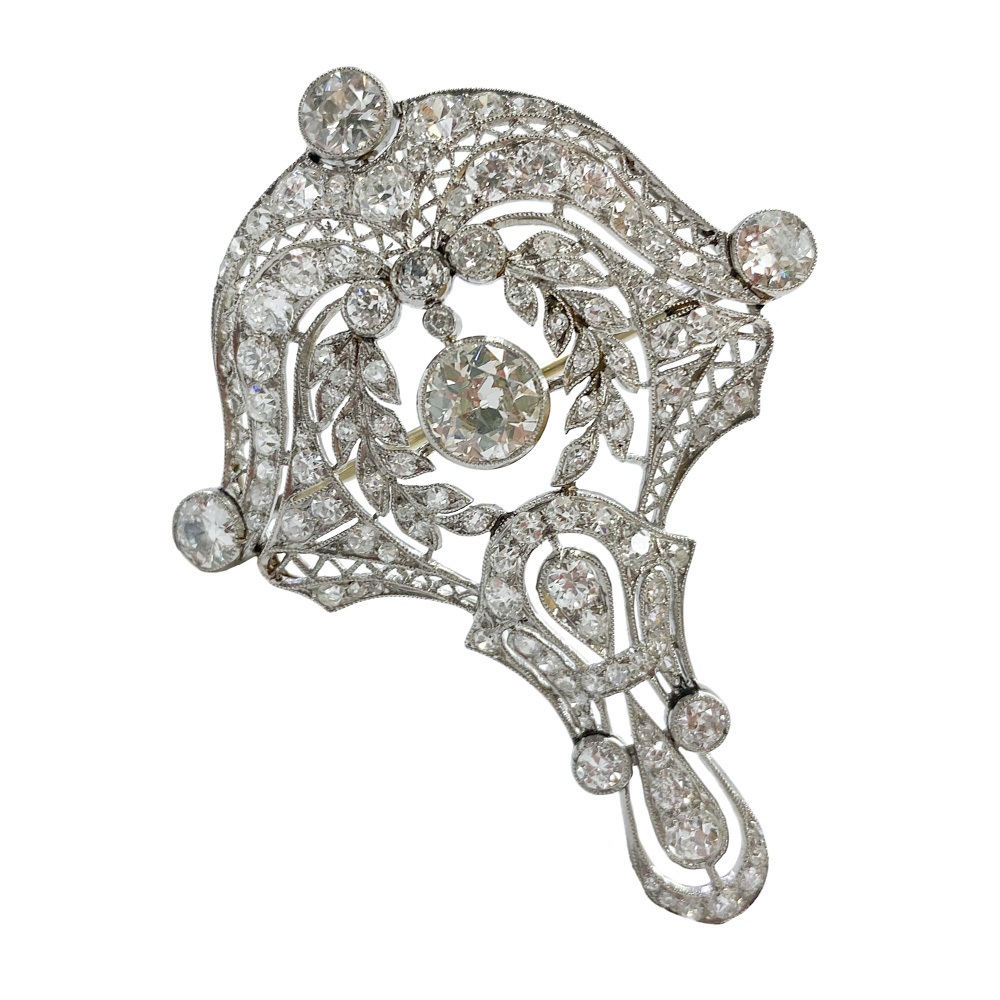
Platinum brooch with diamonds
Italy, early 1900s
In the early 2000s, the brooch underwent a period of decline, becoming almost a niche jewel.
 
The act of wearing a brooch was no longer dictated by fashion, but by the desire to establish a connection with memory, history, or a personal visual language. Within a landscape dominated by speed and reproducibility, the brooch re‑emerged as a deliberate choice, capable of traversing eras and meanings. Interest in antique brooches grew accordingly, cherished and collected for the exceptional quality of craftsmanship with which they were made.
In more recent years, a further and more visible shift has taken place. The brooch has once again claimed a tangible place in the way people dress, not as a nostalgic remnant, but as a fully contemporary element. This return has occurred across both women’s and men’s wardrobes, marking a rupture with decades of accessory rigidity.
 
Brooches are once again worn on jackets, coats, knitwear, and dresses, reinterpreted as graphic signs, points of visual tension, and personal accents that resist standardization.
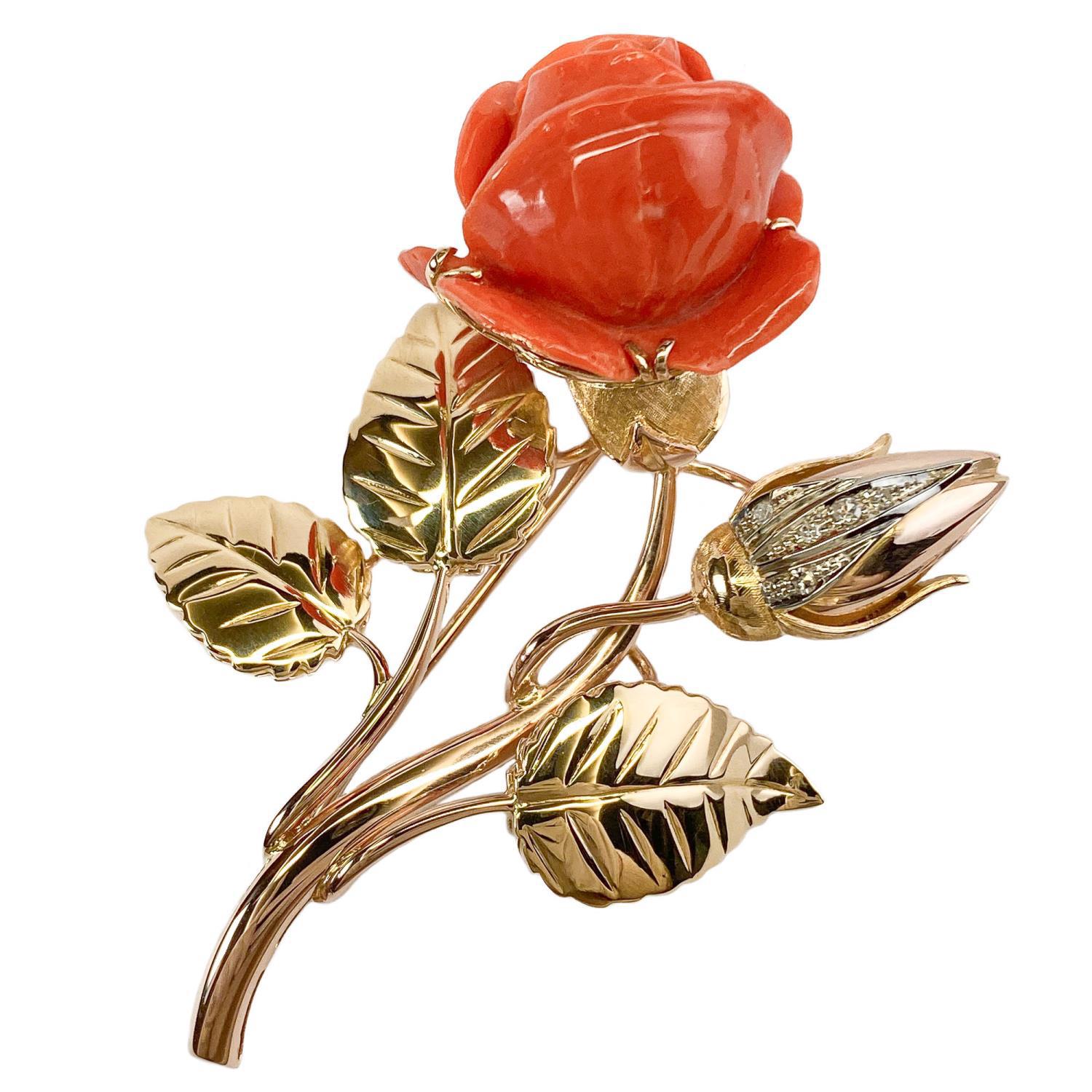
Brooch with coral and diamonds
Italy, 1960s
Thus, after crossing more than a century of transformations, the brooch once again demonstrates its remarkable capacity for adaptation. Small in scale yet dense in meaning, it continues to offer a privileged reading of the relationship between ornament and identity. Far removed from fleeting fashions, it remains one of the most eloquent and resilient jewels of modernity, capable of speaking to the present without relinquishing its memory.
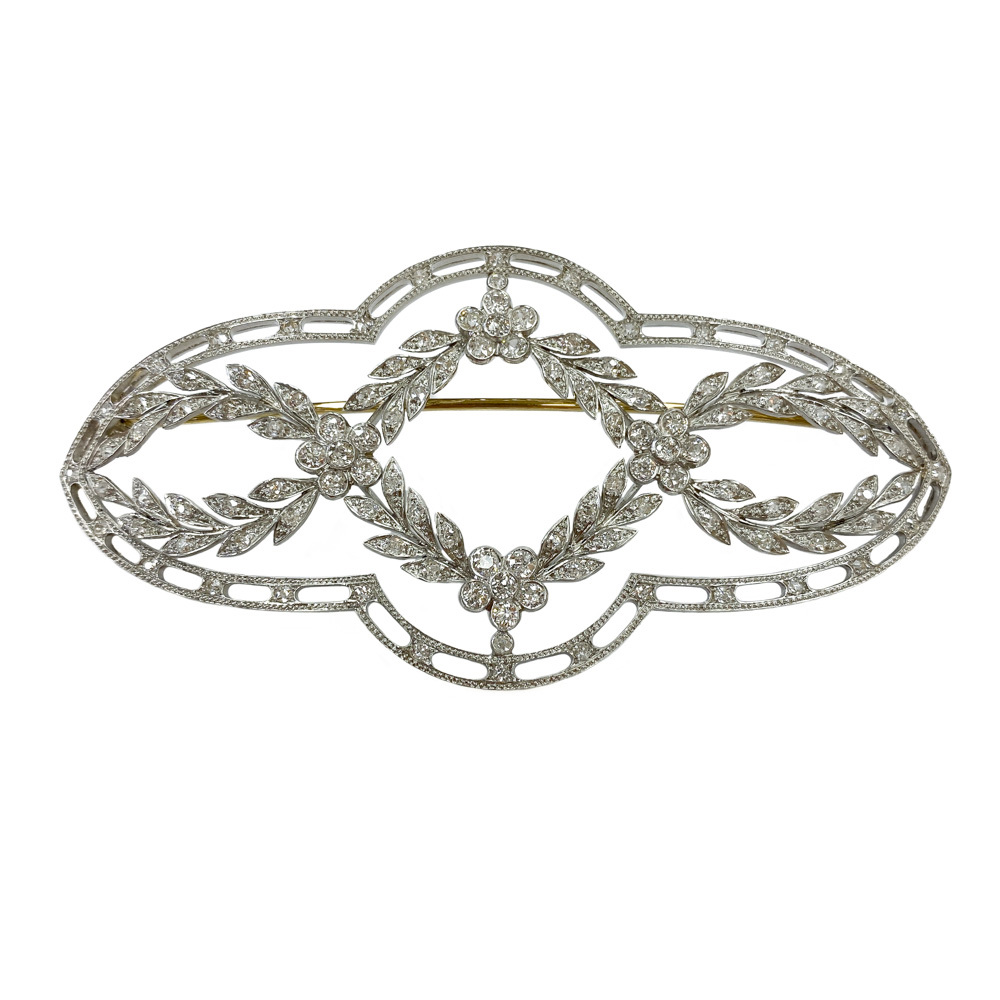
Platinum brooch with diamonds
Italy, early 1900s

Watch the video to find out more!

Become a Passionario

Chat with us