it / en
it / en

'Adamas', invincible

The wonderful world of diamonds
‘Adamas’ , invincible. This is how the Greeks described the rare transparent mineral, fascinated especially by its hardness and strength. The term diamond, by which this precious stone is called nowadays, derives precisely from the correct and effective Hellenic name. Forever considered the king of gems, the diamond holds within itself a wonderful history, rich in tradition and change. Its sparkle enchants anyone who looks at it. However, it’s its exceptional rarity that makes it the most coveted and loved gemstone of all.
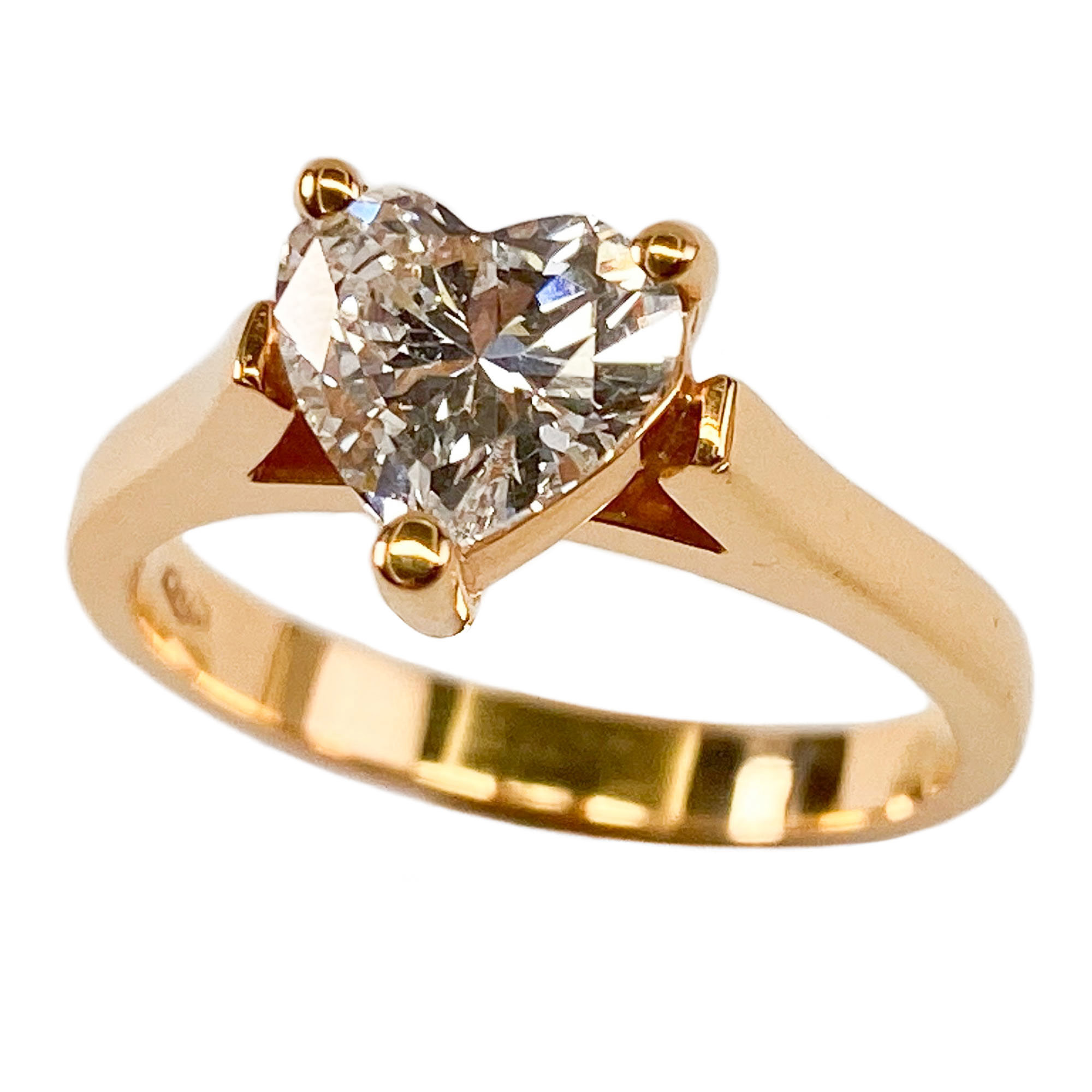
Heart-shaped diamond ring
Italy
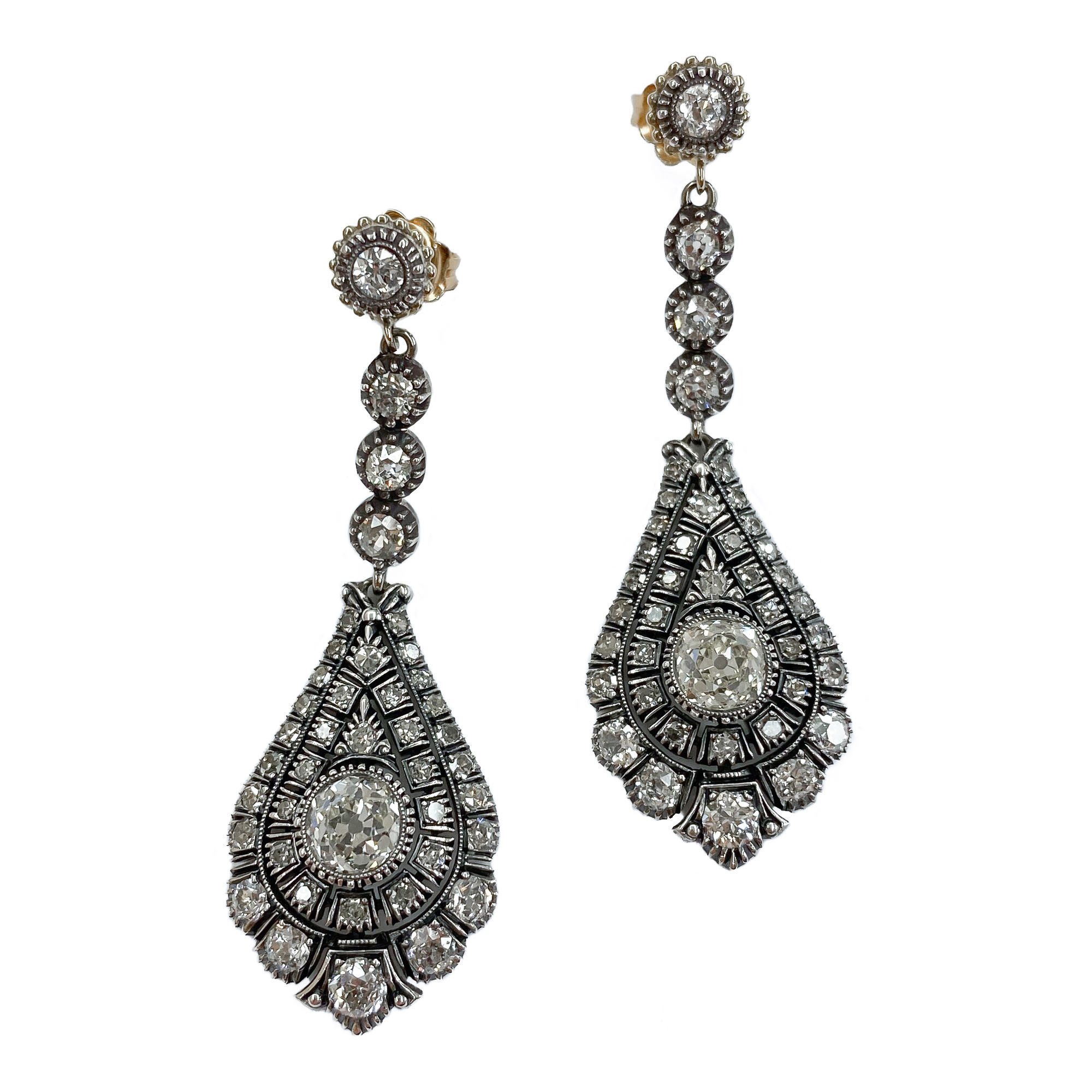
Old-cut diamonds earrings
Italy, 19th century
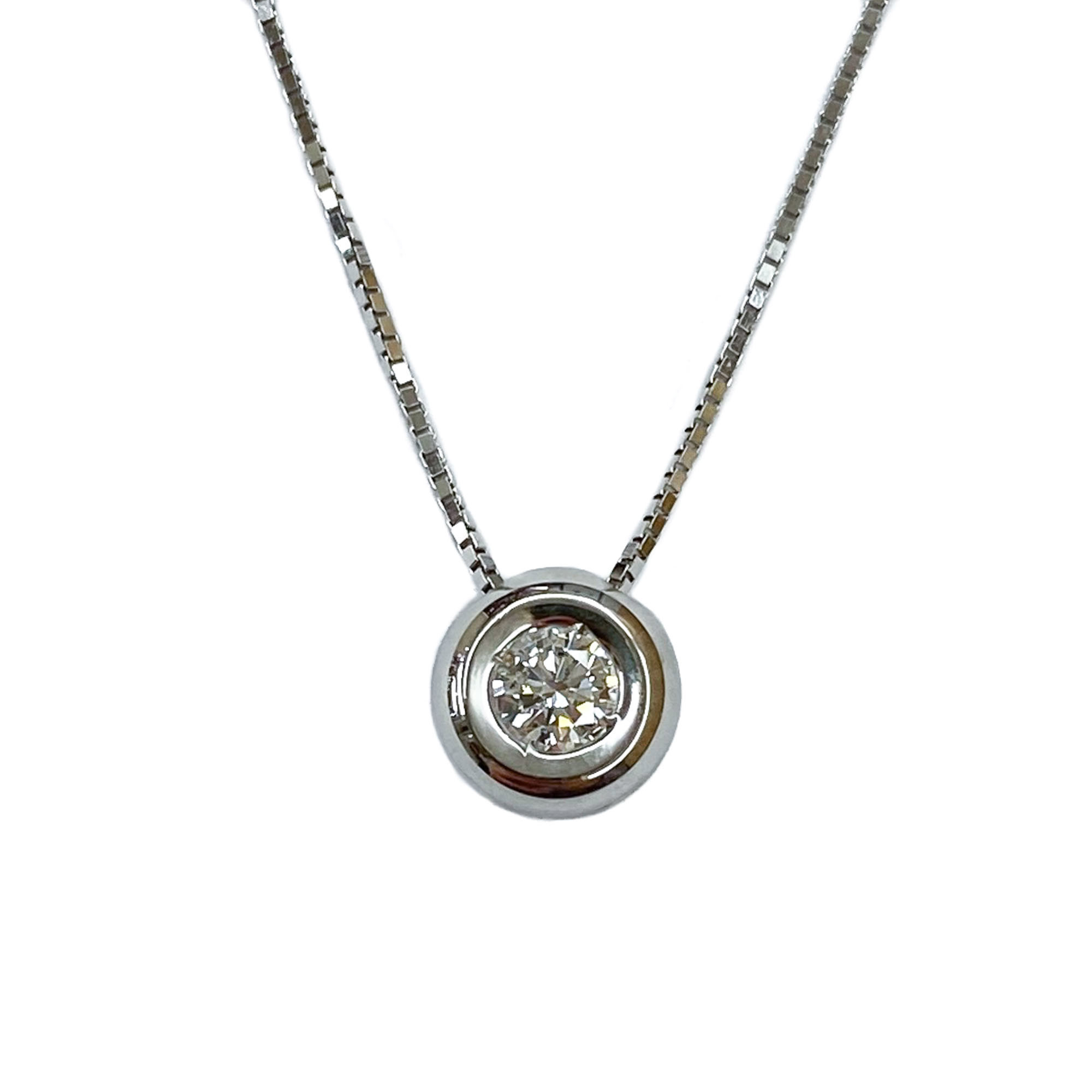
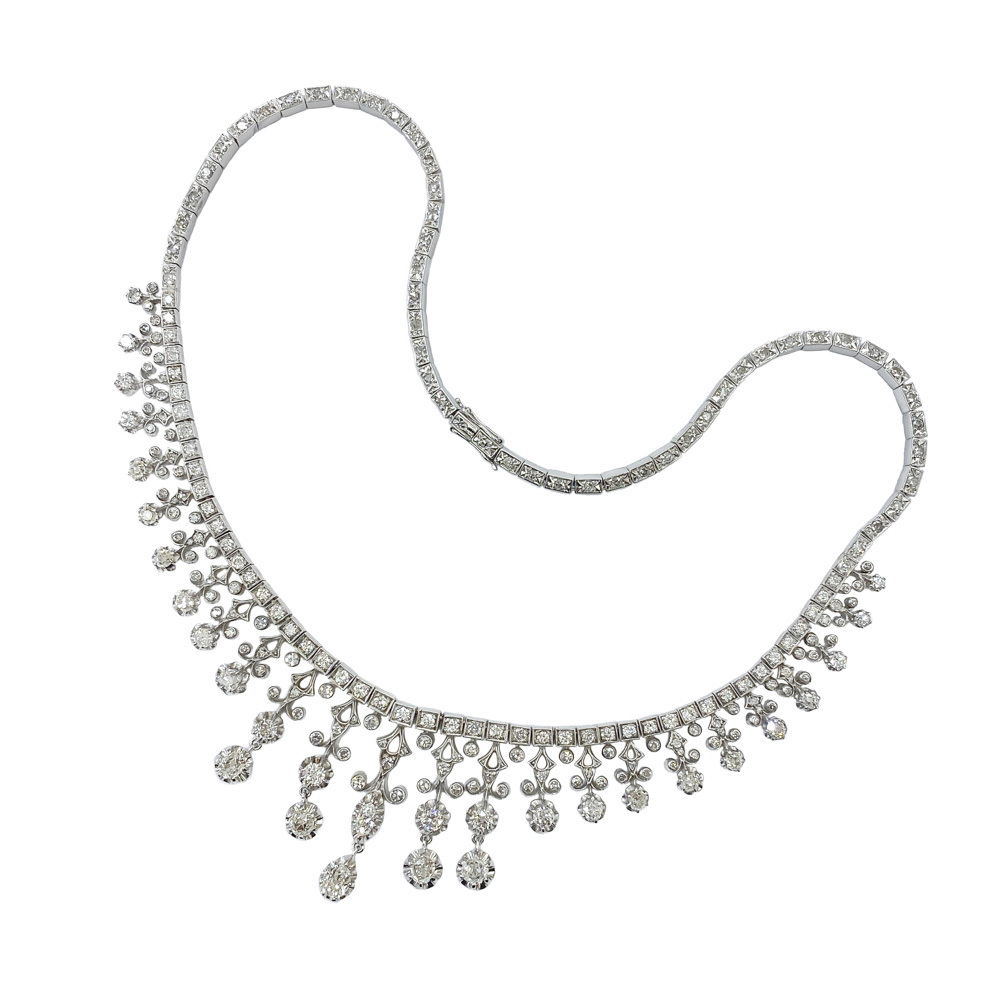
Brilliant-cut diamond necklace
Italy
A gemstone is defined as a material having the definite aesthetic and physical
properties necessary to be suitable for ornamental purposes. Generally, a stone is
considered precious if it is sufficiently beautiful, sufficiently durable, and
sufficiently rare. Diamonds fully meet all these requirements!
To explain the reasons for its popularity, one must start with its formation and atomic arrangement. Essential is the fact that its atoms, almost exclusively of carbon (C), are arranged in a rigid and compact cubic crystal structure, which is responsible for all its special characteristics. In fact, it is precisely because of this arrangement of its fundamental particles that the diamond is the hardest material that exists in nature, as Friedrich Mohs proved as early as 1812.
 
For diamond material to be formed, carbon must be in specific conditions of pressure and temperature. In fact, in nature, there are other pure carbon compounds that, when organized in different ways, appear in different forms, i.e. as graphite. However, it would be difficult to give a solitaire "that lasts forever" if you could then wipe it off with an eraser!
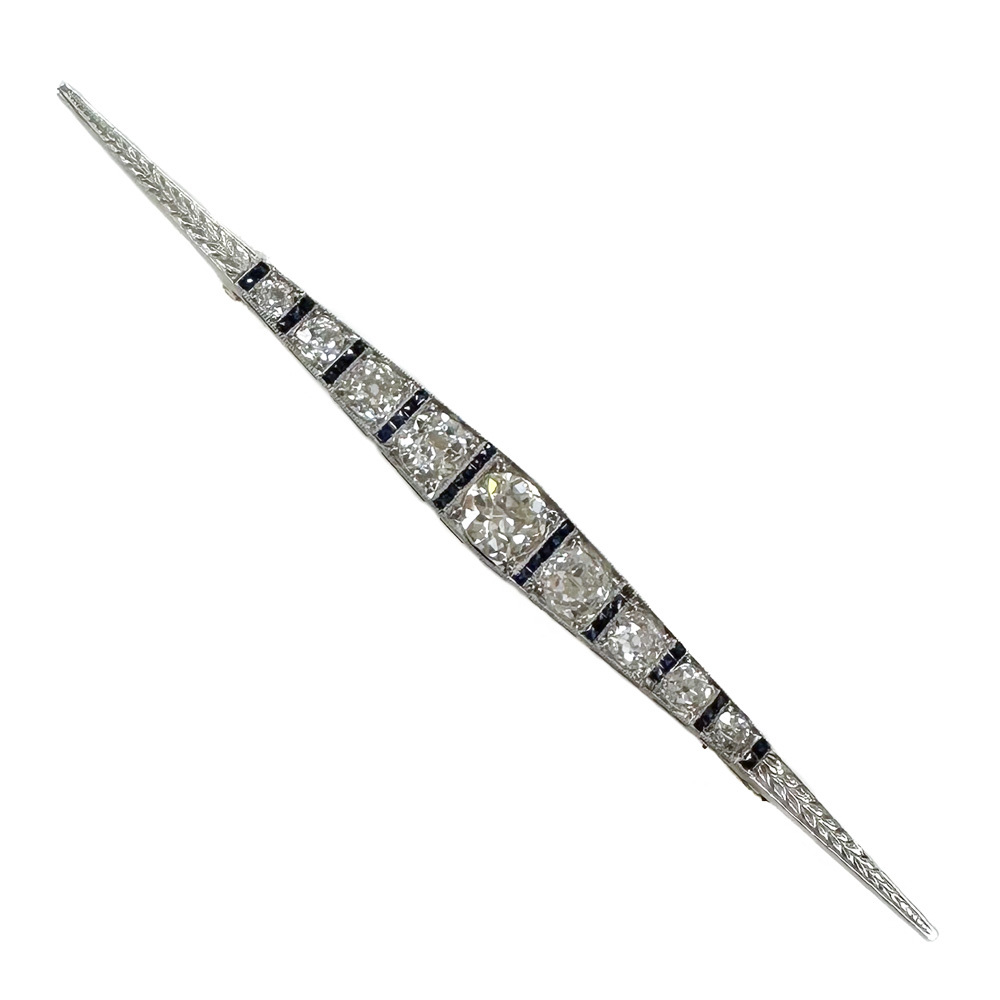
Old-cut diamonds brooch
Italy, 1930s
Diamond is generated exclusively in the Earth's mantle by a mostly unknown process. The only certainty is that a natural gemstone cannot be built in a day, but is formed over hundreds of millions of years. Scientific studies have proven that the youngest diamonds ever found on the surface must have formed at least 990 million years ago.
 
If its formation is already a complicated and noteworthy process, the rising to the surface is also no small matter. It is the violent volcanic eruptions that drag the rocks formed at a depth of 200 km or more to the surface. Thus, it is possible to find diamonds both in so-called 'primary deposits' , i.e. in dormant volcanic chimneys, and in 'secondary deposits' , identifiable mainly in riverbeds, where the minerals are dragged by the erosion of volcanoes.
 
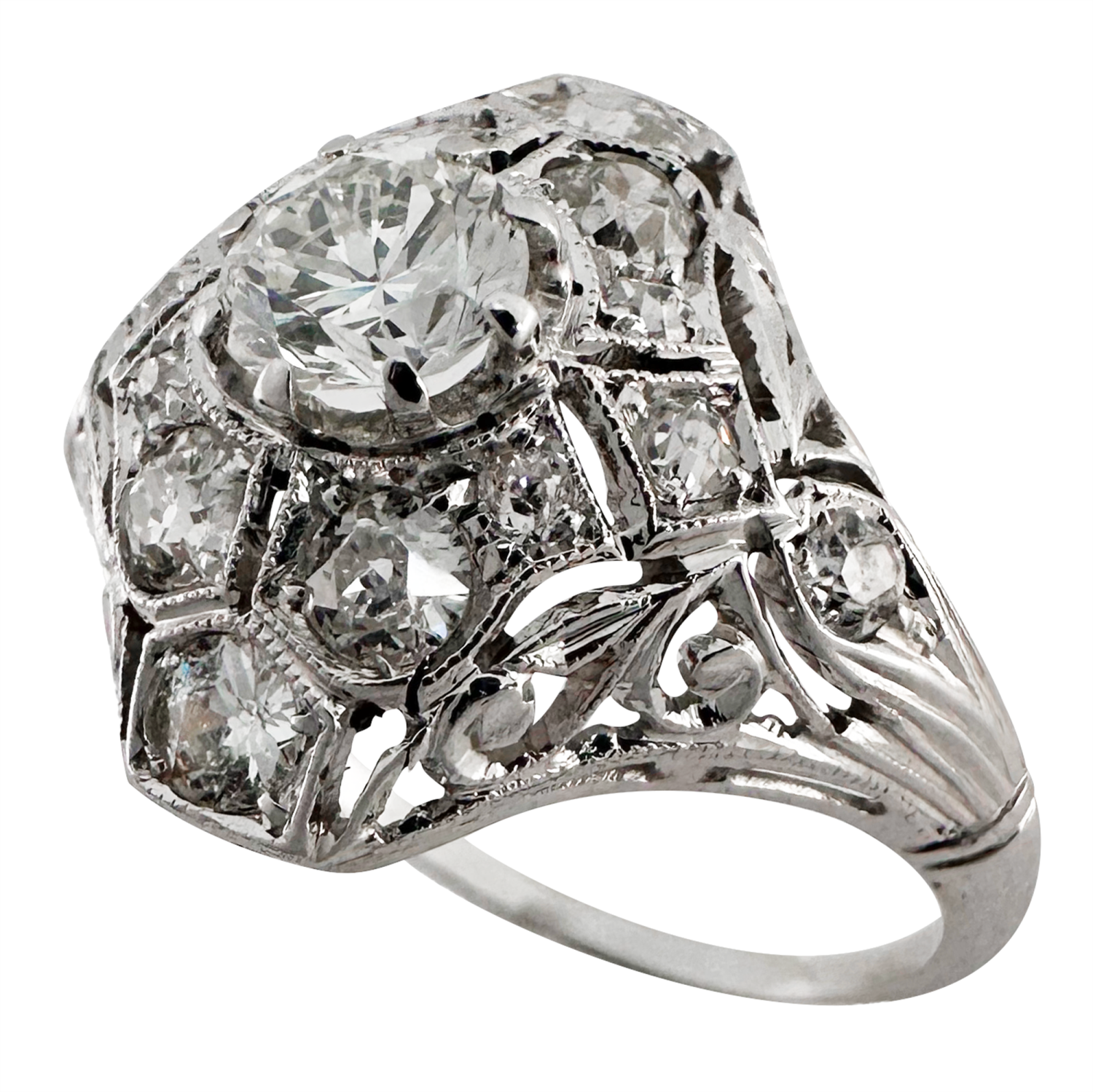
Old-cut diamonds ring
Italy, 1920s
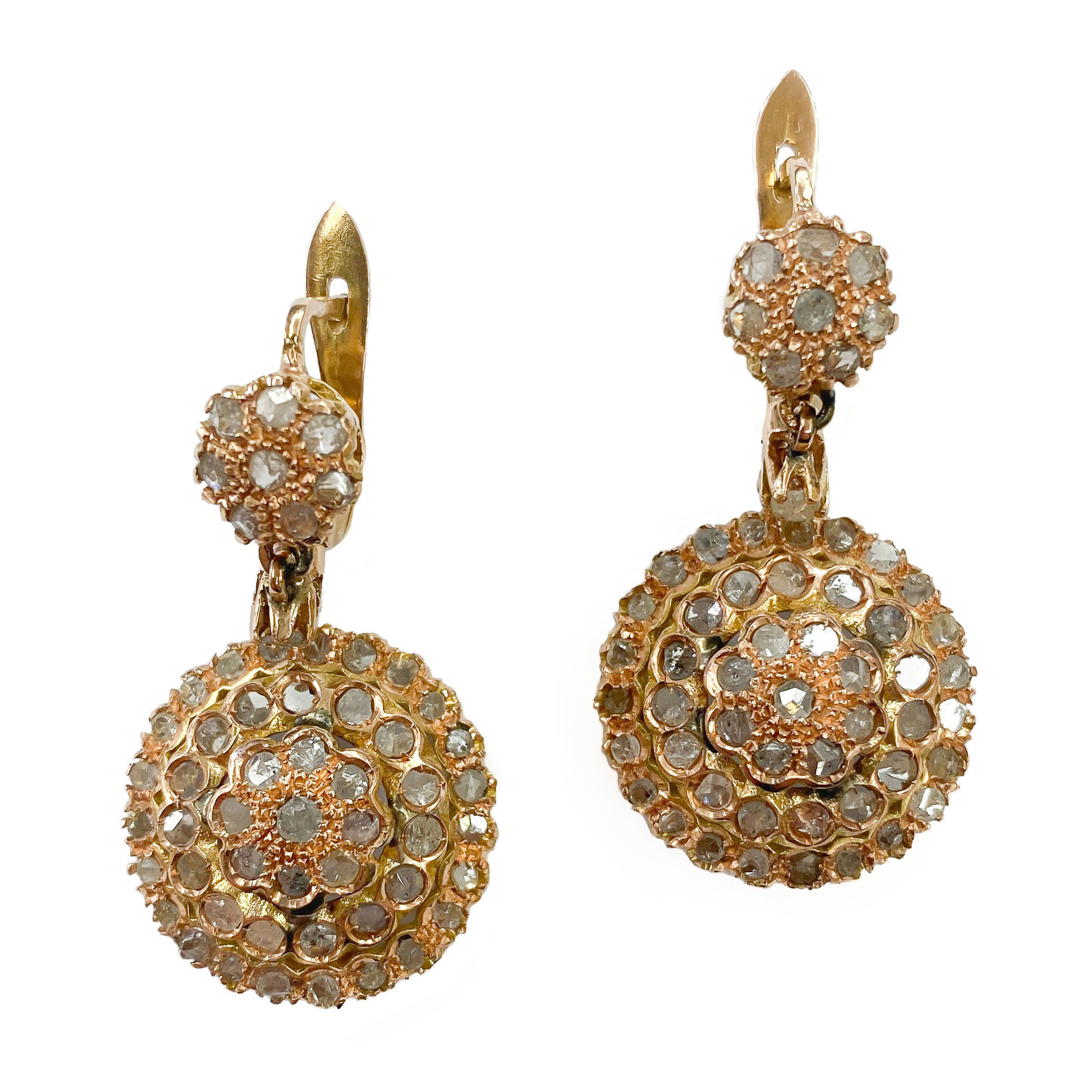
Rose-cut diamonds earrings
Italy, 19th century
THE FIRST CUTS
 
The love for diamonds is certainly not a recent thing. In the West, diamonds first arrived after the expeditions of Alexander the Great, in the 4th century B.C. That territory, now identified as India, remained the sole producer of diamonds for more than two millennia. Although the best gems remained there, because diamonds were considered the private property of the monarchs, many others arrived on the European continent. Even the Romans were connoisseurs of diamonds, so much so that even Pliny the Elder in his Naturalis Historia (1st century A.D.) wrote «Not only among the most precious stones, it is to the diamond that we assign the greatest value.»
Diamond's popularity probably declined during the Middle Ages, a period when people favored colored gems, to which therapeutic powers were attributed. It was only when the Serenissima Republic of Venice obtained a monopoly on the diamond trade in the 12th century that these precious minerals came back into vogue, becoming the stars of world jewelry. With the massive import of diamond material into Europe, the first experimental cutting techniques began.
 
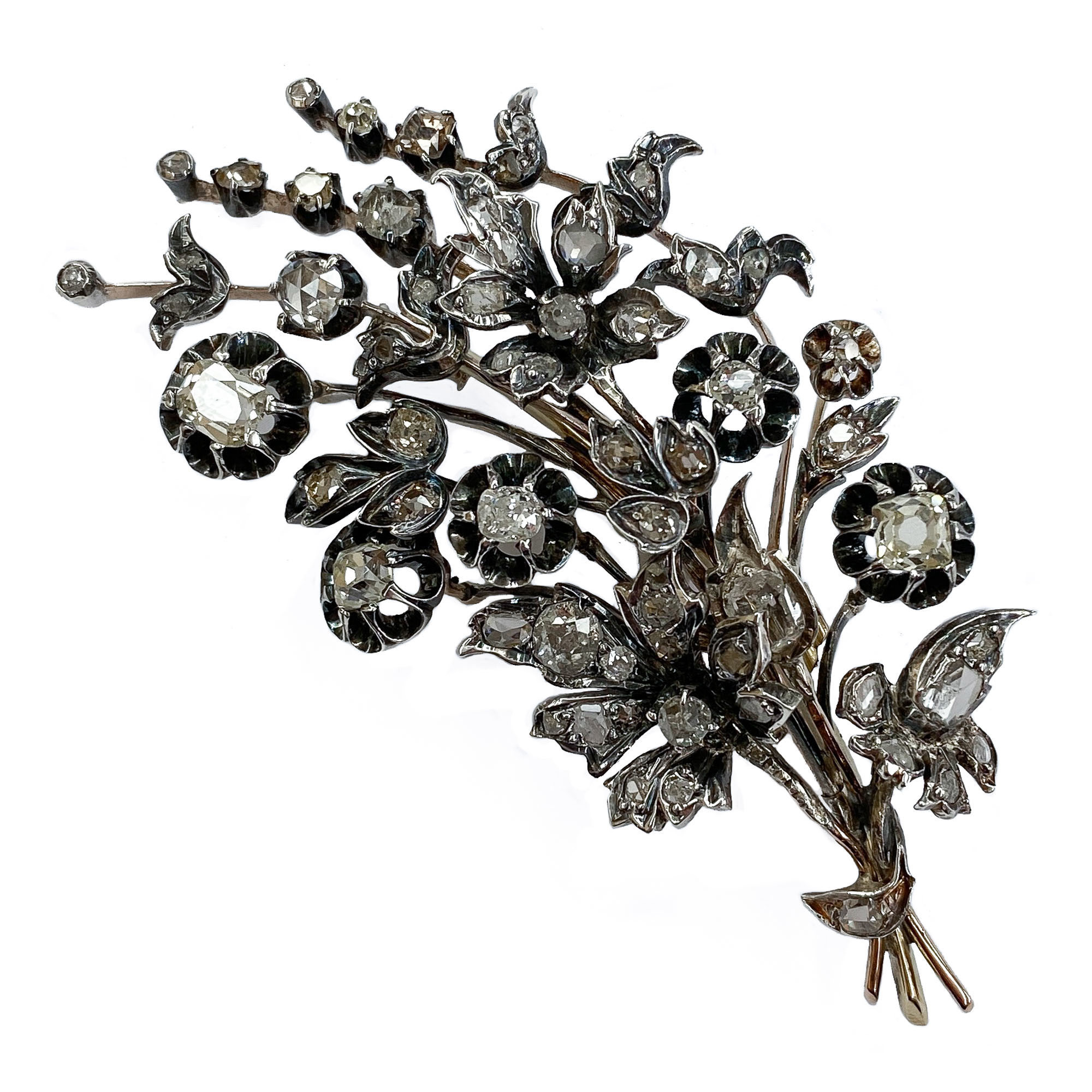
Primo fra tutti, divenne famoso il taglio “a rosa”, che rimase in auge fino al secolo scorso. Tagliato in questo modo, il diamante presenta una base piatta, e un numero di faccette variabile nella parte superiore. Inizialmente si riuscivano a creare dalle 3 alle 5 faccette, ma nei secoli si arrivò anche fino a 24. Scrisse per primo di questo taglio Benvenuto Cellini, nei sui celeberrimi trattati Dell’ oreficeria e della scultura, del 1568.
Rose-cut diamonds brooch
Italy, 19th century
THE OLD CUT
 
 
India's leadership in diamond production ended only in 1725 when Portuguese gold seekers found some "transparent rocks" in Brazil. They were diamonds, and the new continent was brimming with these gems! 
 
However, both in India and in the Americas only secondary deposits were being discovered, without ever finding an extinct but still intact volcano where diamonds could be recovered still in their place of rising. There were major search campaigns in the already exporting countries, but for more than a century nothing was found. People were simply looking in the wrong places.
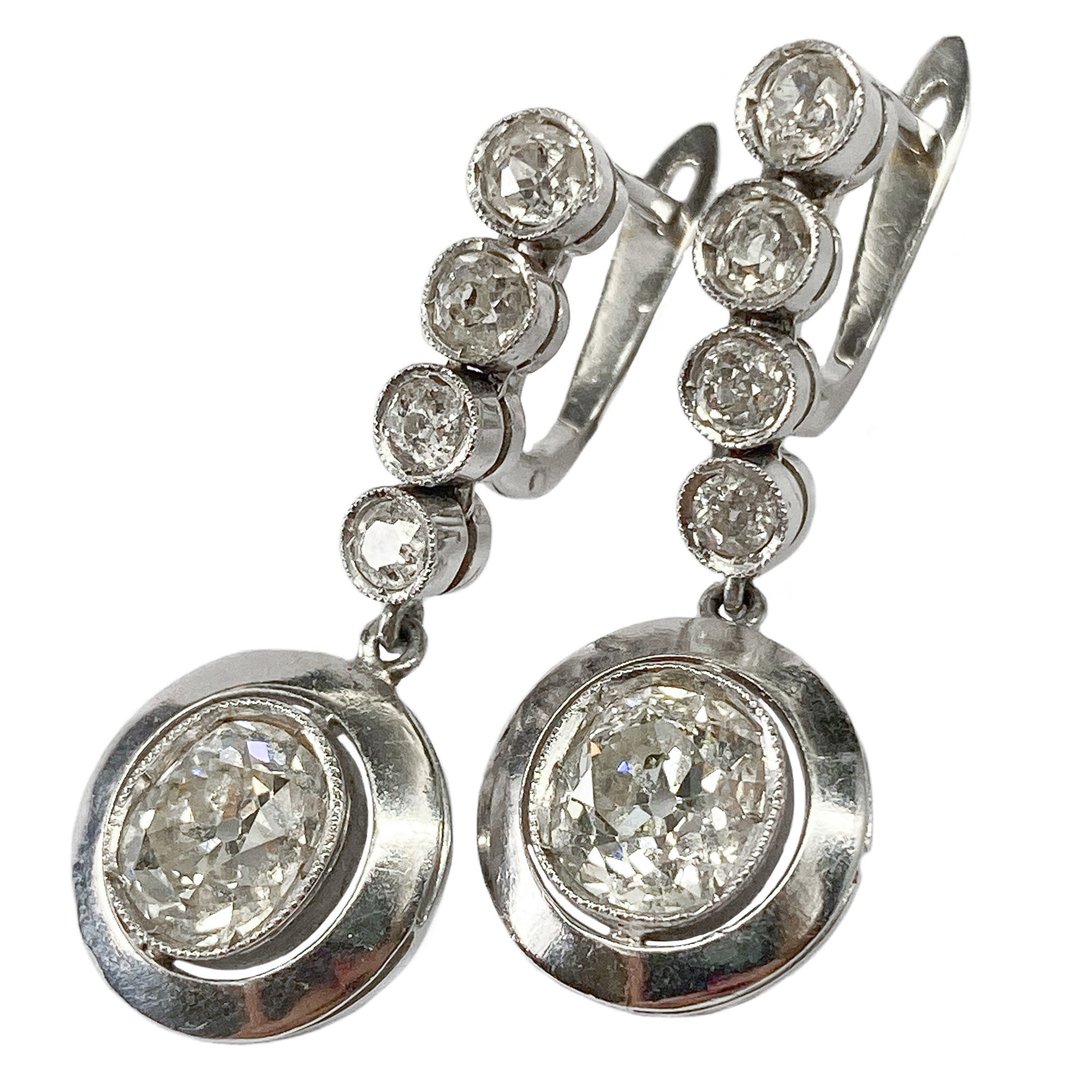
Old-cut diamonds earrings
Italy, 1920s
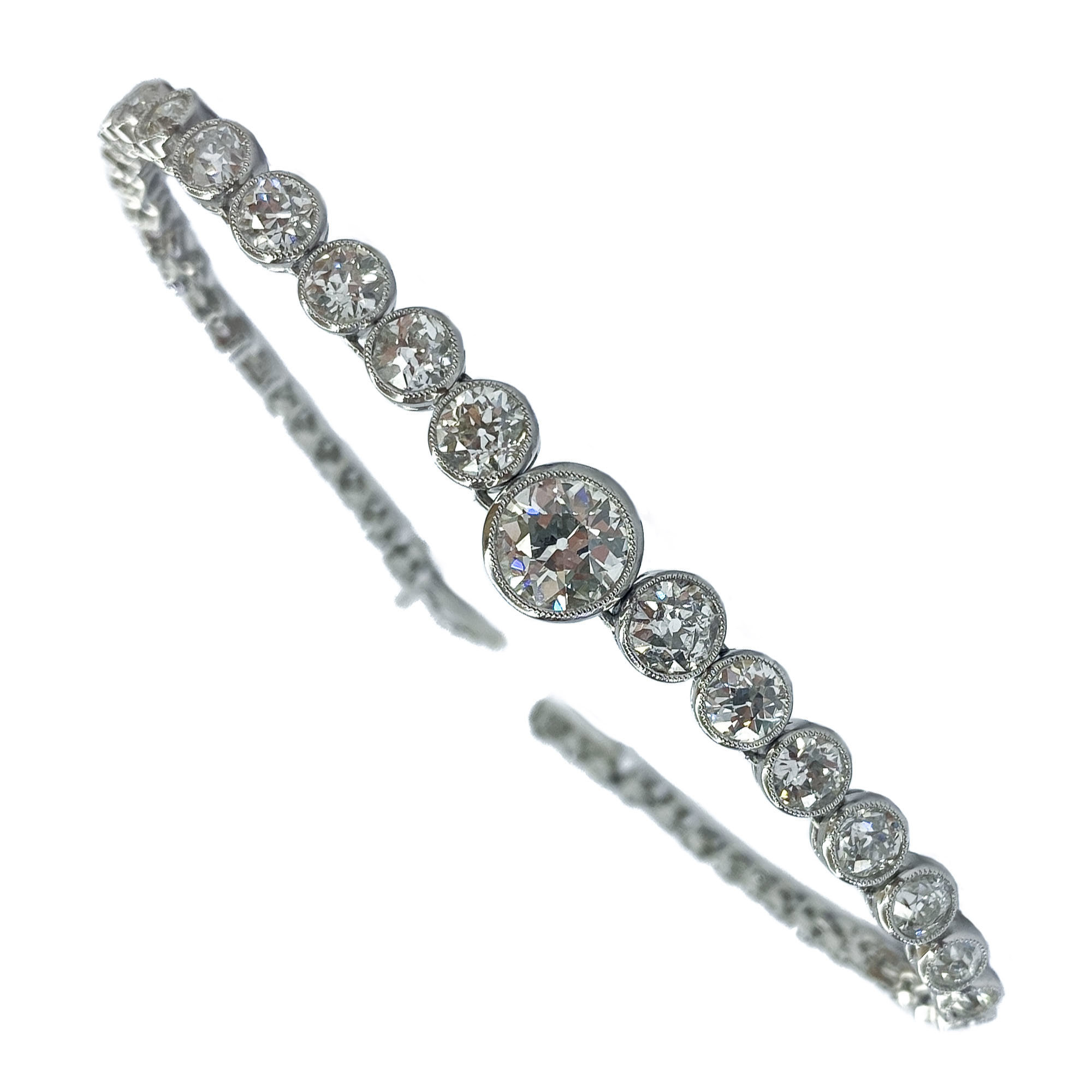
Old-cut diamonds bracelet
Italy, 1920s
Old-cut diamonds necklace
Italy, 19th century
In 1867 a child playing along the banks of the Orange River in South Africa caught a bright, transparent rock in his hands. It was the first diamond discovered in Africa, which weighed more than 20 carats when rough. Finally, a few years later, several primary deposits were found near the city of Kimberly, which are still used today.
 
With the discovery of all these new deposits, the diamond's popularity began to grow by leaps and bounds. But by then, with the new lighting techniques, the simpler cuts no longer enhanced the gem's brilliance and brightness. So, they quickly came to the so-called "old" cut, which made the gems quite rounded and had a good facet setting, both at the top and bottom. This gave a good sparkle back to the stone.
THE BRILLIANT CUT


However, this was still not enough. Marcel Tolkowsky, a descendant of prominent gem cutters, was the first to apply the rules of optics to diamond faceting. In his book Diamond View (1919), he established precise cutting proportions that were perfect for enhancing the diamond's characteristics. Building on his theory, cutters in Antwerp, Europe's diamond capital, refined their research and produced what is now called the "brilliant" cut, the ideal cut.
 
With its 57 facets, this cut succeeds in making all gems shine, and with them all jewelry where these are set. It is the dream of many, the most desired of all diamond cuts. Working in this way the stone's intrinsic properties are fully exploited, and its brilliance and luminosity are enhanced. So, that special sparkle that bewitches anyone who admires it is created. This cut goes best in a round shape, but it can also be made in many others: oval, marquise, pear ...
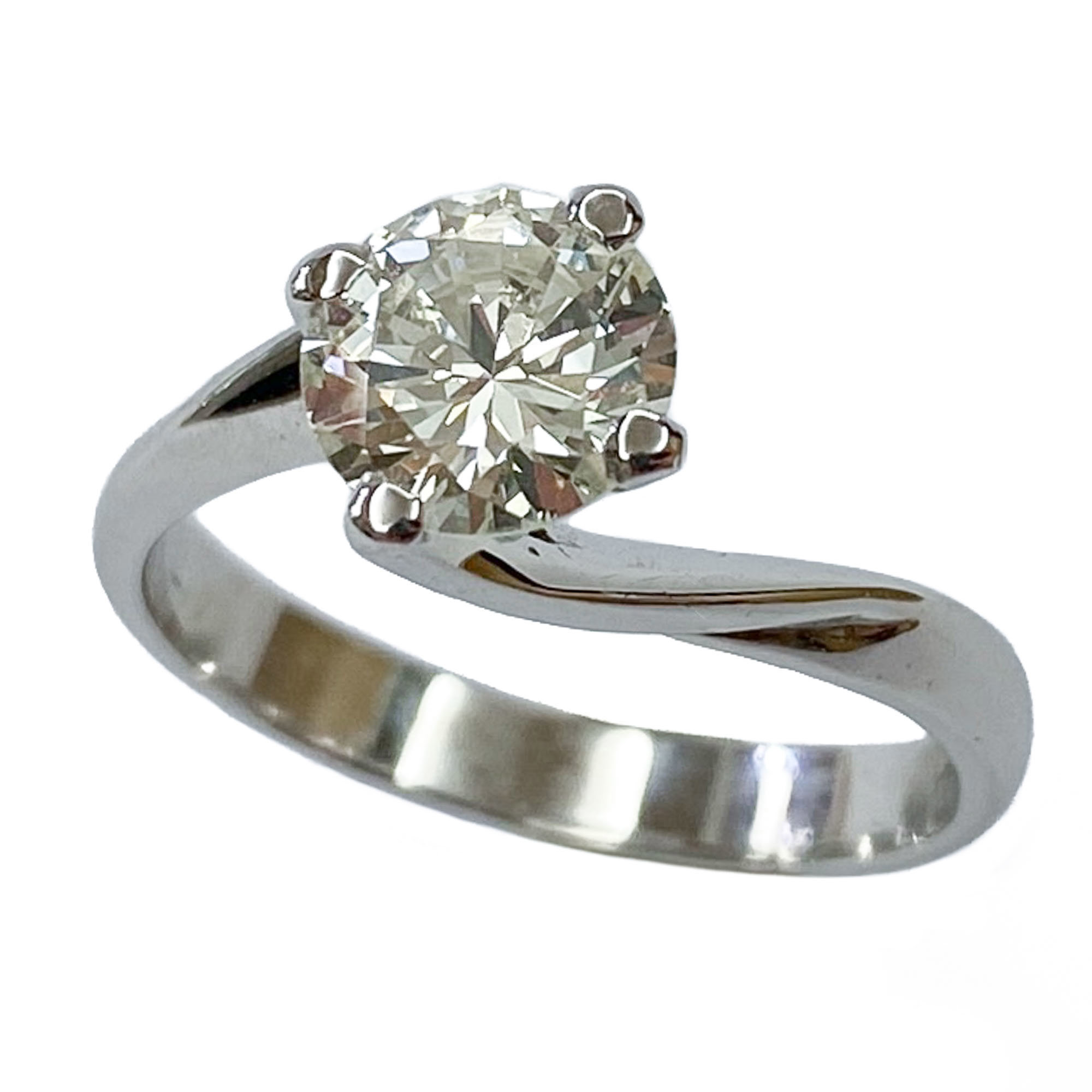
Brilliant-cut diamond ring
Italy
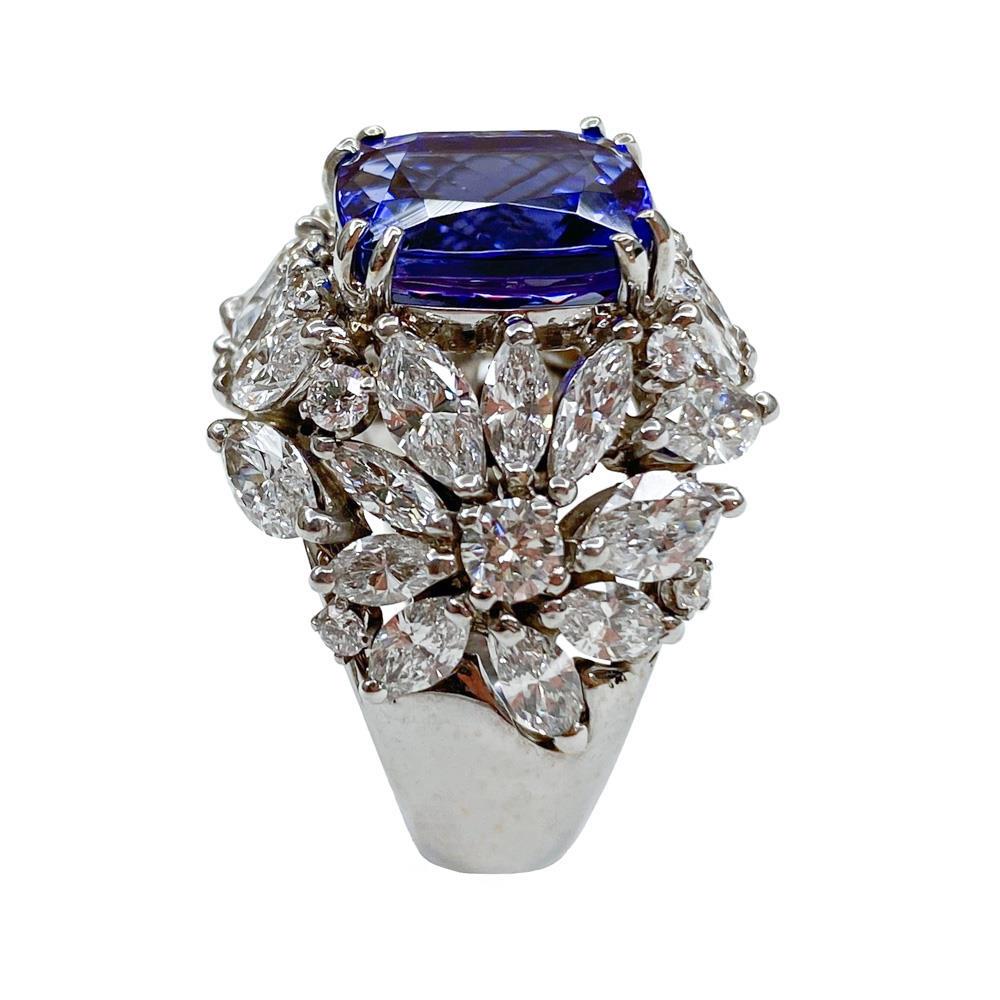
Ring with diamonds of different cuts
Italy, 1990s
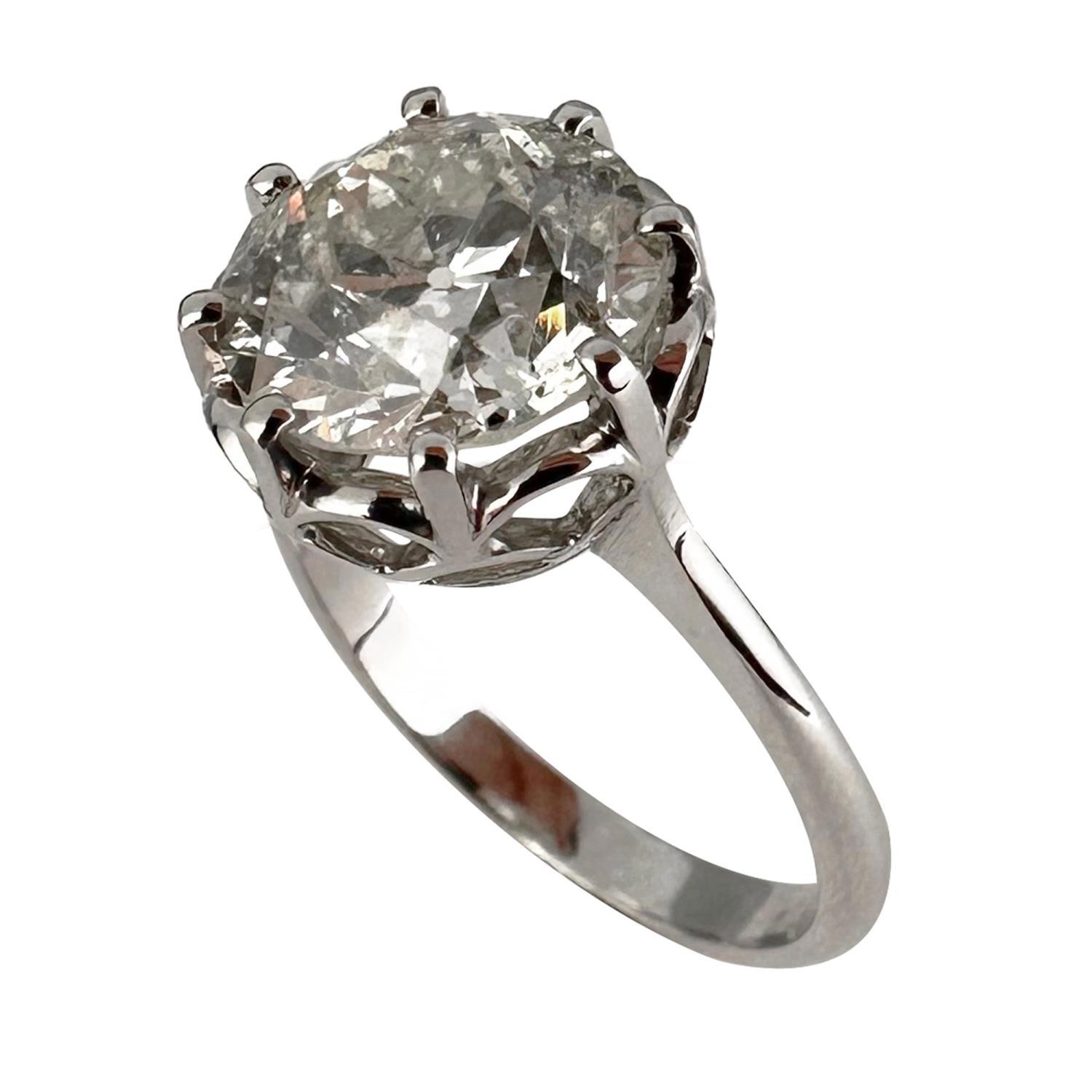
Old-cut diamond ring
Italy 1980s
As the decades passed, diamond mines were discovered spread all over the world: in Russia, Canada, Australia, Finland... In an attempt to imitate this very rare gemstone, experiments continue today by creating similar materials or even making actual diamonds generated in laboratories. However, while these substitutions may seem accurate at first glance, they will never be able to match these marvelous gems, because they do not contain all the secrets that nature has placed within them!

Watch the video to find out even more about diamonds, the most beautiful gems on earth!

Become a Passionario

Chat with us