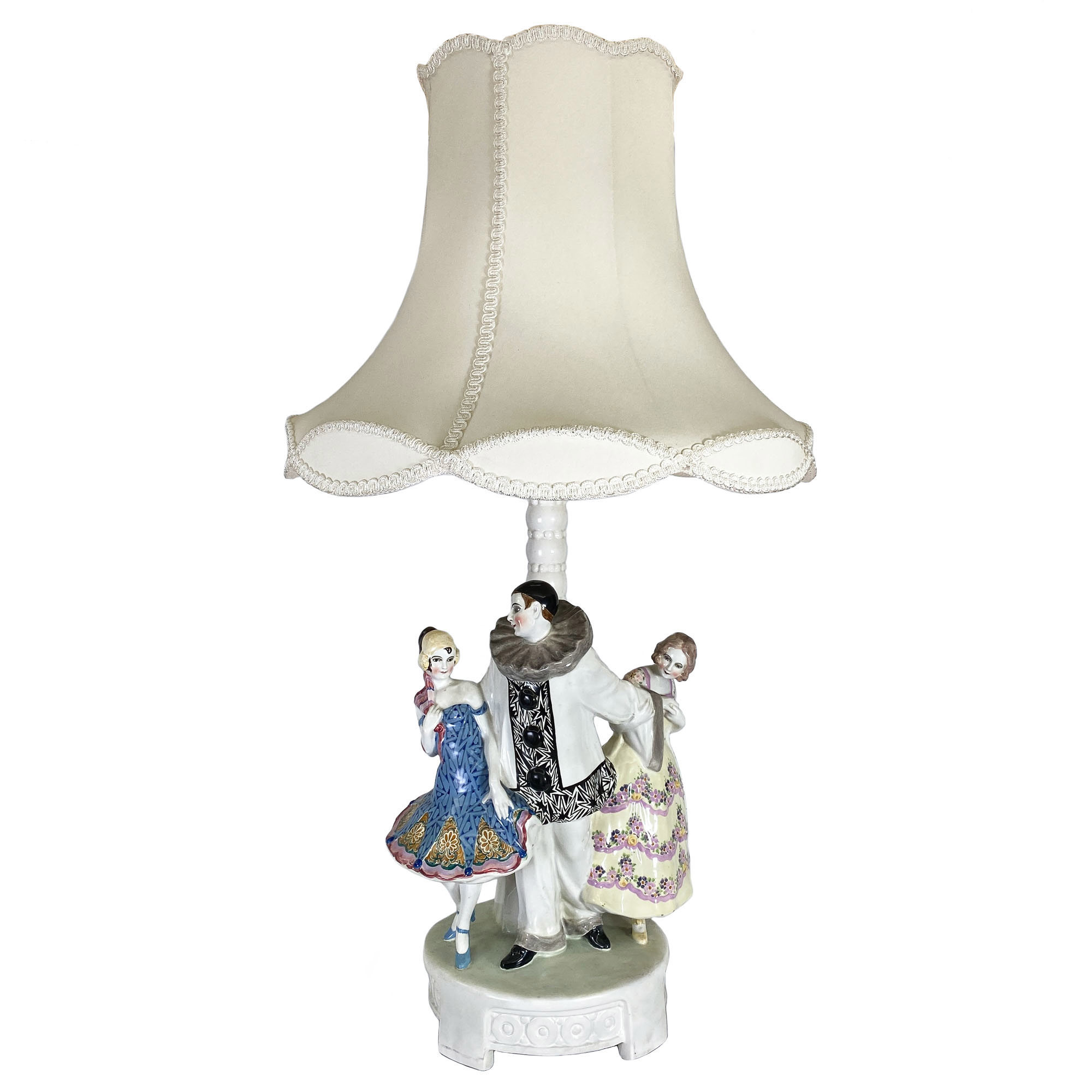
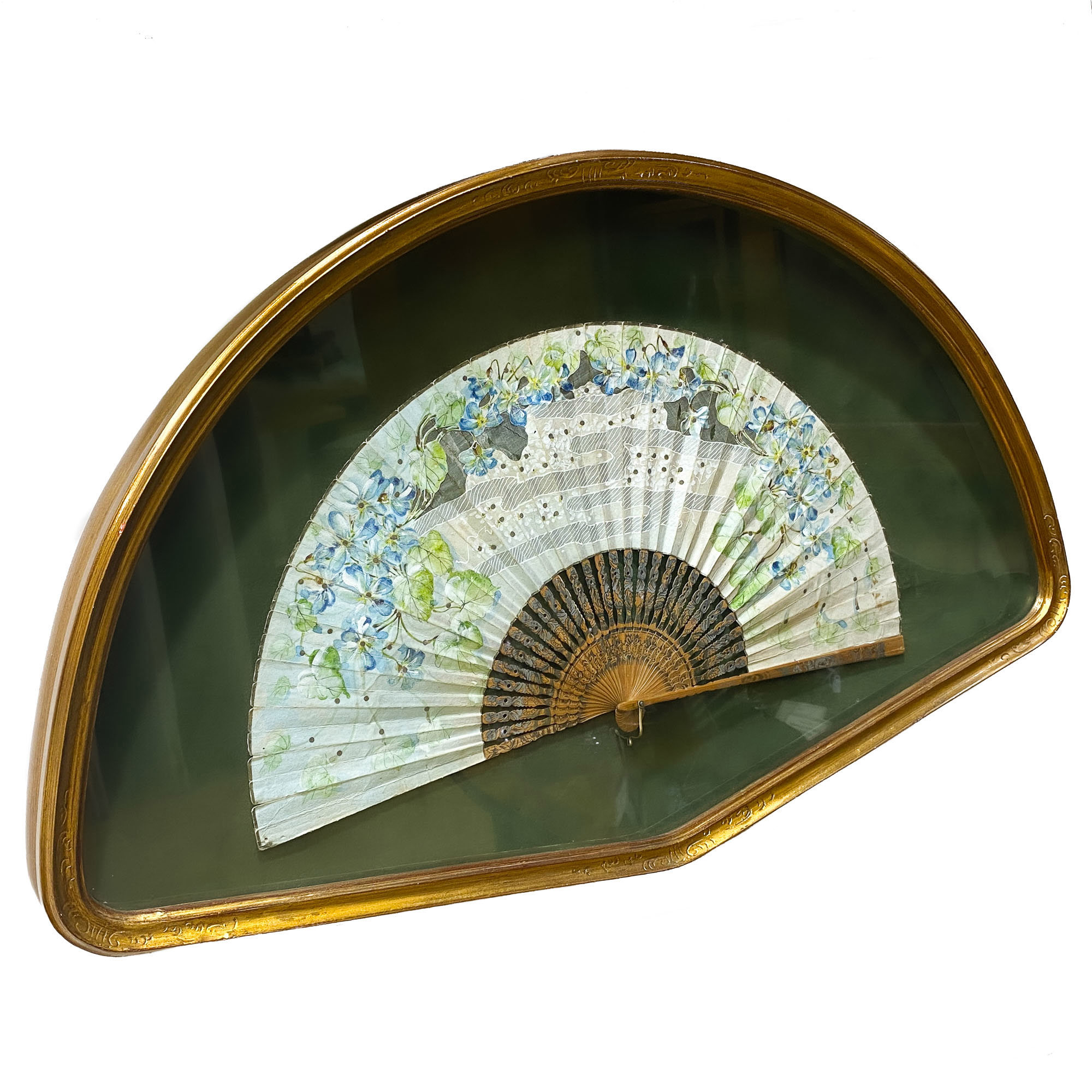
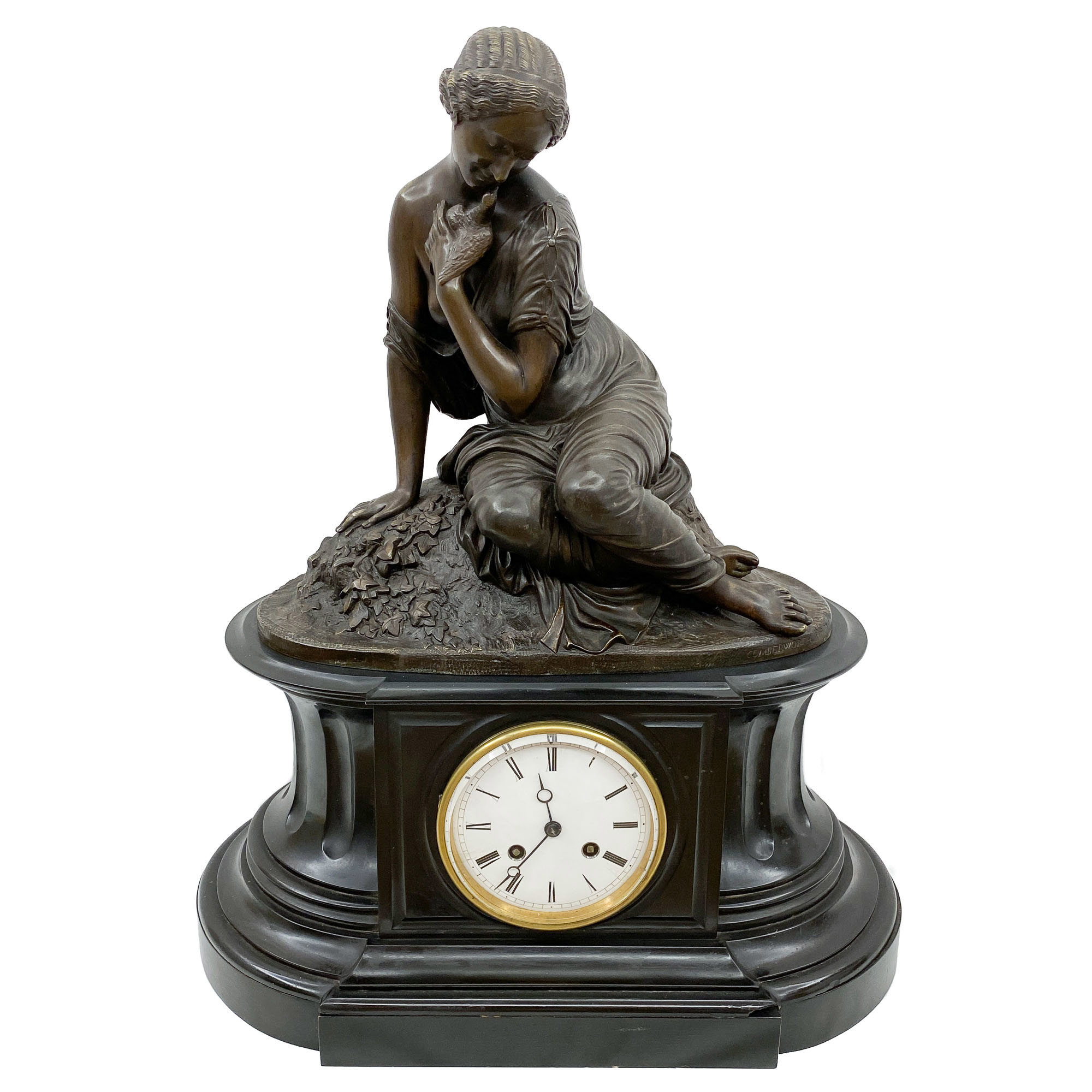
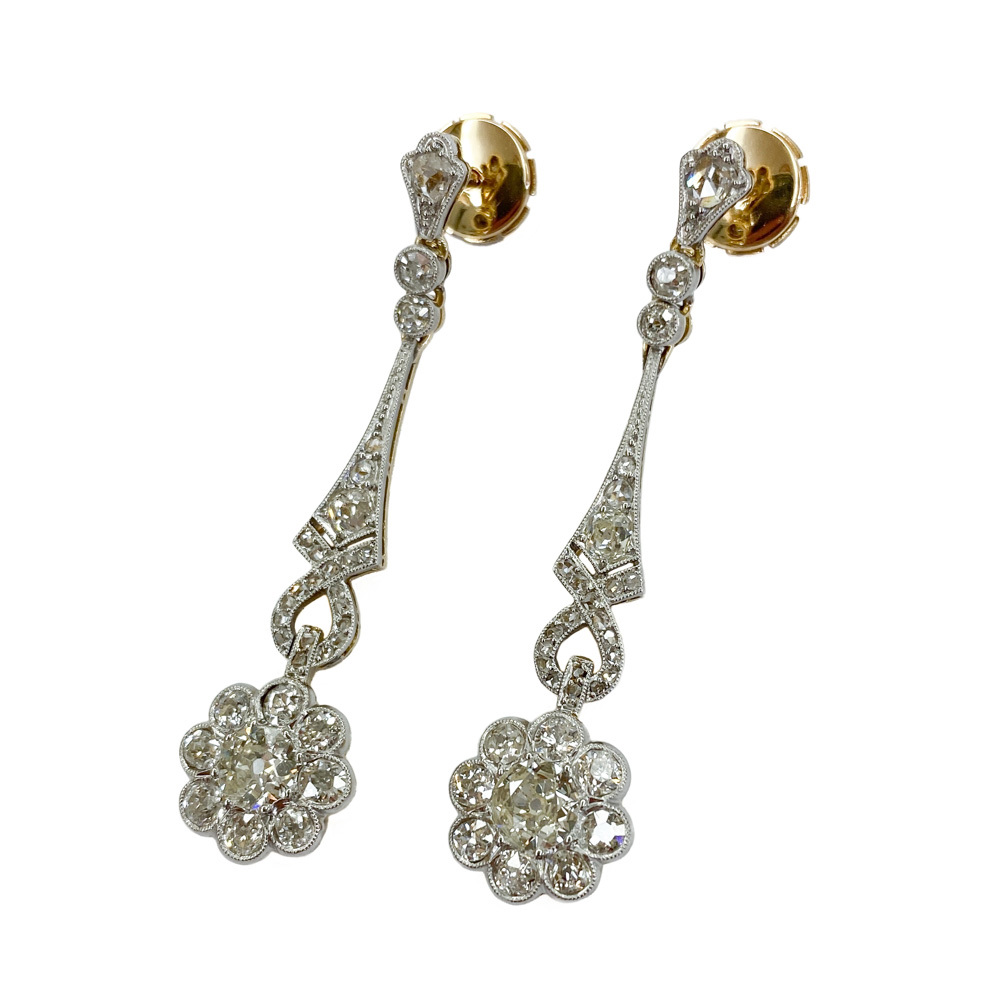
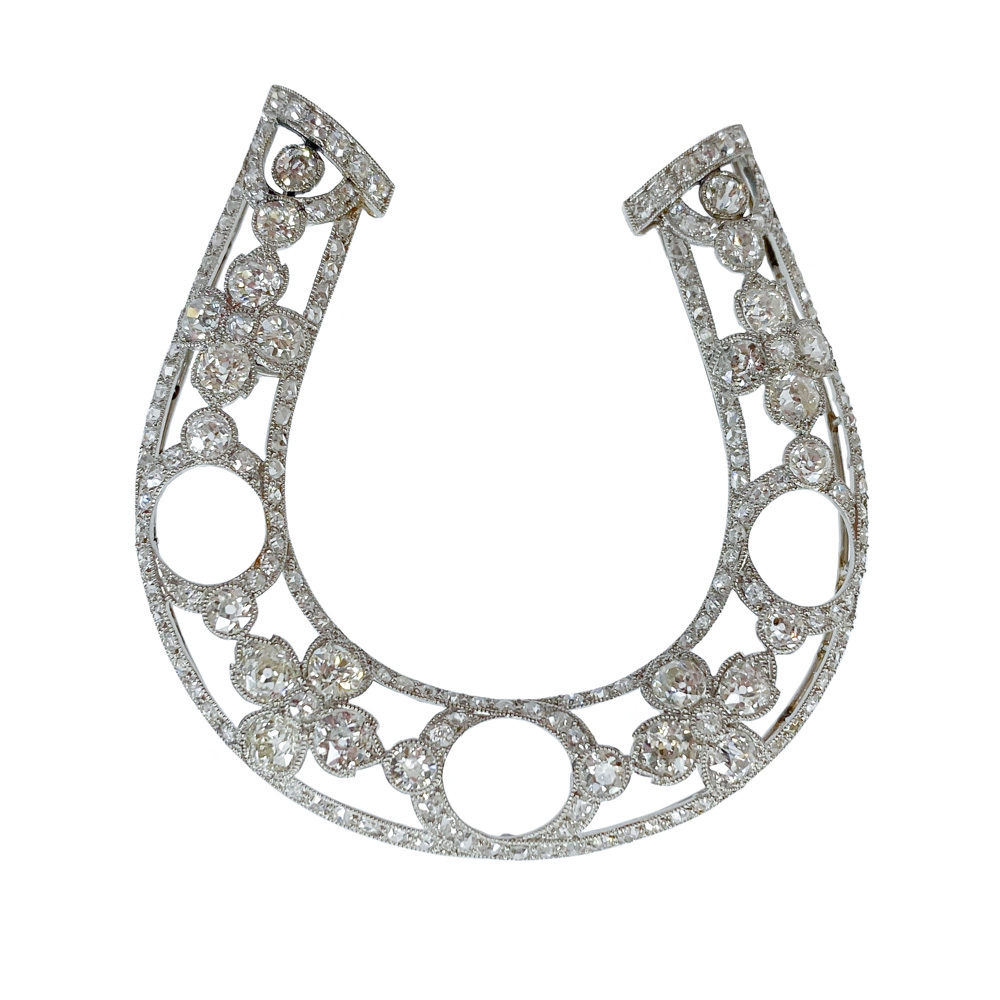
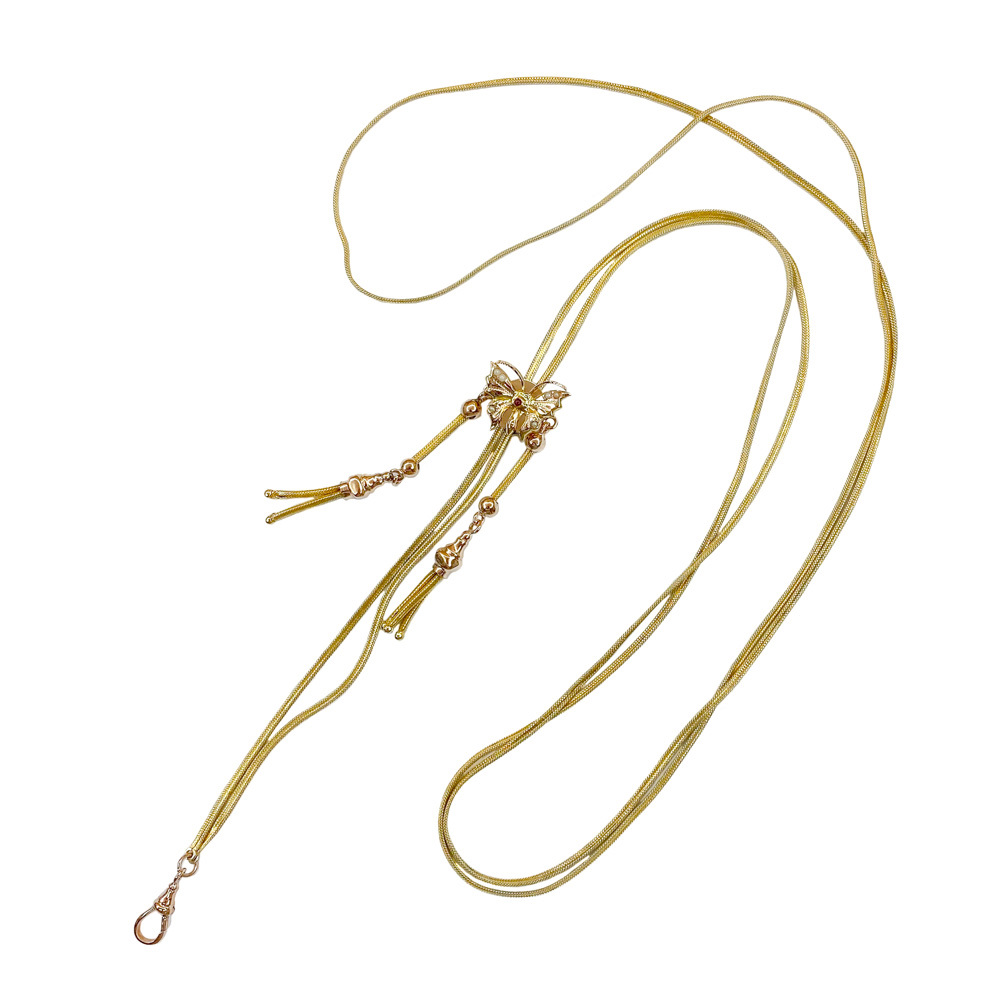
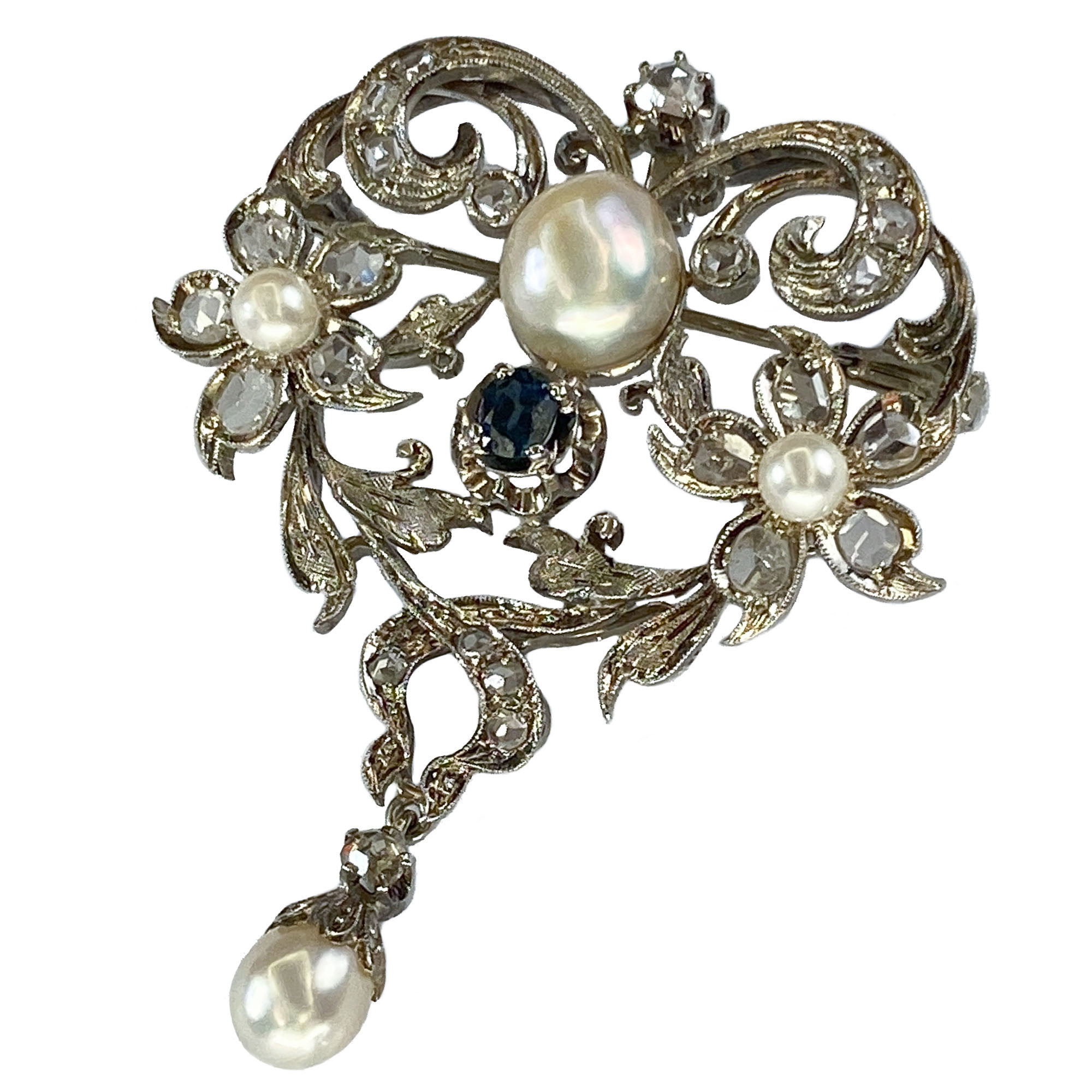
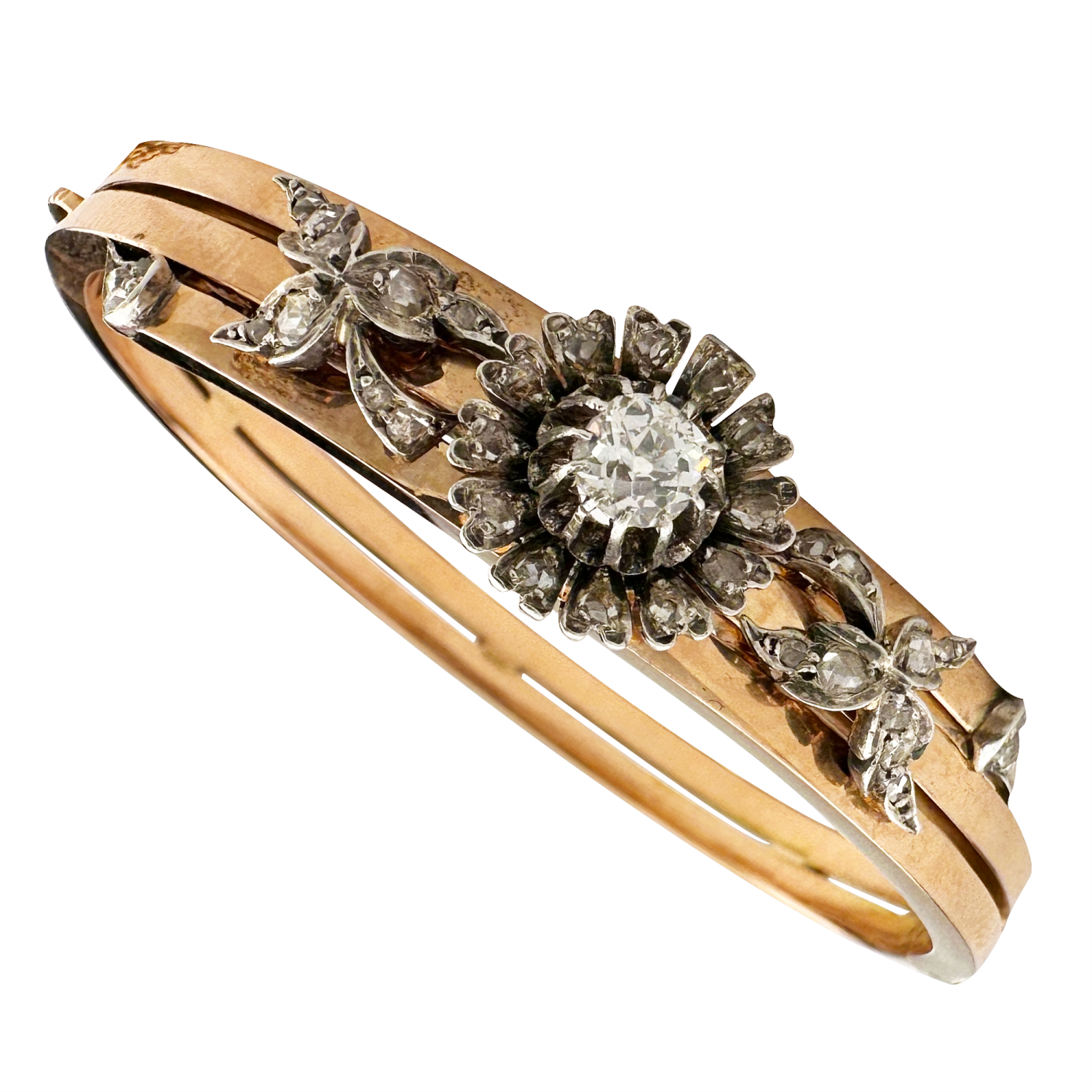
Art Nouveau developed during a period of great social and economic change, influenced by new scientific discoveries, Darwin's theories of evolution, and symbolism in literature and art. This style was characterized by an enormous international expansion that found expression in various disciplines, from architecture and painting to advertising prints and jewelry. The various names by which this movement is known are the evidence of its wide geographical reach.
The name “Art Nouveau,” used mainly in France, comes from “Maison de l'Art Nouveau,” a Parisian gallery that was, at the time, the center of Europe's finest modernism. “Liberty,” the popular term in Italy and the United Kingdom, was the name of the well-known English department store that helped spread the new artistic models to the masses. Finally, in German-speaking countries, it was named “Jugendstil” after the title of an avant-garde magazine.